CHEVROLET 14008772 Rh Fender Rear Point Emblem Gm
fits model: Caprice. make: Chevrolet. year: 1982–1989.
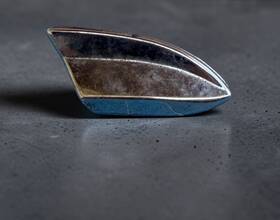
( Manufacturer Part Number: 14008772 ), ( Type: Emblem ), ( Vintage Part: Yes ), ( Country Of Origin: United States )
Review CHEVROLET Rh Fender Trim Rear Point Emblem Gm Oem fits CAPRICE 1982–1989
The **Chevrolet 14008772 1982 1989 Caprice RH Fender Rear Point Emblem** is a meticulously crafted, high-quality replacement part designed to restore the classic, aggressive stance of full-size Chevrolet Caprice models from the early 1980s. This emblem, part of GM s (General Motors) iconic styling language, is crafted from durable, premium-grade metal and features a bold, angular design that perfectly complements the Caprice s muscular silhouette. The **right-hand (RH) fender point emblem** is positioned at the rear quarter panel, just above the wheel well, where it serves both an aesthetic and branding purpose, reinforcing the vehicle s identity with a sharp, three-dimensional emblem that stands out against the bodywork. Engineered to fit seamlessly with the original mounting points, this emblem ensures a tight, flush installation, eliminating gaps or misalignments that could detract from the vehicle s polished appearance. Whether restoring a show-quality Caprice or maintaining a daily driver, this emblem is an essential component for enthusiasts seeking authenticity and attention to detail. Its robust construction and precise fitment make it a reliable choice for both professional restorers and dedicated DIYers aiming to achieve that perfect, factory-new look.
### **Pros and Cons of Buying a 1982 1989 Chevrolet Caprice RH Fender Rear Point Emblem (GM VIN 14008772)**
#### **Pros**
1. **Classic American Muscle Car Heritage** The Caprice, particularly the RH (right-hand drive) models, was a staple in the 1980s muscle car market, offering a blend of power and comfort. The fender emblem and rear point emblem are indicators of a well-maintained or restored example, suggesting attention to detail.
2. **Strong Engine Options** Depending on the model year and configuration, these Caprices were available with powerful V8 engines, including the **350 CID (5.7L) V8** (common in early models) and the **5.0L (305 CID) V8** (introduced in 1982), which were capable of producing **170 200 horsepower** in stock form. Aftermarket tuning potential is high.
3. **Durable and Simple Mechanics** Chevrolet s big-block and small-block V8s from this era are known for longevity if properly maintained. The drivetrain, suspension, and basic mechanical components are relatively straightforward to work on, making repairs more accessible than on modern vehicles.
4. **Comfortable and Practical** Unlike raw muscle cars of the 1960s 70s, the Caprice was designed with passenger comfort in mind. It featured a spacious interior, good seating, and a relatively smooth ride for its time, making it suitable for daily driving if well-maintained.
5. **Strong Secondary Market** The Caprice, especially the **Caprice Classic** (a more luxurious variant), has a dedicated following. Parts are widely available, and there is a community of enthusiasts who restore and modify these cars, ensuring a steady supply of aftermarket support.
6. **Potential for Restoration or Modification** If the car is in rough shape, it can be a rewarding project. Many owners strip these vehicles down to the frame, rebuild the engine, and restore them to showroom condition. Performance upgrades (turbocharging, supercharging, or nitrous) are popular among enthusiasts.
7. **Lower Purchase Price (Compared to Classics)** While not as rare as a Corvette or Camaro, a well-preserved 1982 1989 Caprice is still relatively affordable compared to other muscle cars from the same era, especially if it s not a high-mileage example.
---
#### **Cons**
1. **High Maintenance Requirements** Despite their durability, these cars require **regular upkeep**. Common issues include:- **Rust** Many Caprices from this era suffer from rust, particularly in the wheel wells, frame rails, and floor pans. A thorough inspection is essential.
- **Electrical Gremlins** 1980s GM electronics can be finicky, with issues like faulty sensors, wiring problems, or failing alternators.
- **Transmission Wear** The **THM720-4T (4-speed automatic)** and **4L60 (overdrive automatic)** transmissions are robust but can fail if fluid isn t changed regularly.
- **Suspension and Steering Wear** Bushings, ball joints, and tie rods degrade over time, affecting handling.
2. **Fuel Economy Concerns** With V8 engines, these cars are **not fuel-efficient**. Expect **12 16 MPG** in automatic models and slightly better in manual (if equipped). This can add up in operating costs.
3. **Emissions and Modern Compliance** If you plan to drive this car legally in most states, you ll need to ensure it meets **modern emissions standards**. Some states require **OBD-II compliance**, which may require modifications (like installing an aftermarket emissions control system). Others may require a **smog check**, which can be difficult if the car hasn t been maintained properly.
4. **Insurance Costs** Classic muscle cars can be expensive to insure, especially if you plan to drive it regularly. Some insurers may classify it as a "high-risk" vehicle due to its age and power output.
5. **Parts Availability and Costs** While parts are widely available, **replacement components can be expensive**, especially for rare or discontinued items. Rust-damaged frames may require custom fabrication or welding, adding to costs.
6. **Potential for Hidden Problems** Without a **detailed inspection**, you might inherit:- **Engine issues** (warped heads, leaking gaskets, rod knock).
- **Transmission slippage or failure**.
- **Rust-induced structural damage** (e.g., sagging floors, compromised frame rails).
- **Corrosion in critical areas** (brake lines, fuel lines, exhaust).
7. **Limited Modern Conveniences** Compared to today s vehicles, these cars lack features like **airbags, modern climate control, cruise control, or advanced safety systems**. Driving comfort and convenience are reduced.
---
### **Conclusion**
Buying a **1982 1989 Chevrolet Caprice RH with a fender and rear point emblem** can be a fantastic investment if you re looking for a **project car, a daily driver with character, or a restored classic**. The presence of the emblem suggests that the owner (or previous owners) took pride in the car s appearance, which is a good sign.
**This car is best suited for:**- **Enthusiasts who enjoy mechanical work and restoration projects.**
- **Owners who prioritize driving experience and power over modern convenience.**
- **Those who appreciate classic American muscle cars and are willing to maintain them properly.**
**However, it is not ideal for:**- **Buyers who want a low-maintenance, modern vehicle.**
- **Those who need excellent fuel economy or low insurance costs.**
- **People who cannot commit to regular upkeep and inspections.**
---
### **Recommendation**
If you re considering this purchase, **follow these steps to ensure you re making a wise decision:** 1. **Get a Professional Inspection** Have a **trusted mechanic or classic car specialist** thoroughly inspect the vehicle, focusing on:- **Frame and body rust** (especially around the wheel wells, rocker panels, and floor pans).
- **Engine condition** (compression check, for warped heads, oil leaks).
- **Transmission and drivetrain** (fluid condition, clutch if manual, automatic shift smoothness).
- **Electrical system** (battery, alternator, wiring harness).
- **Suspension and steering** (bushings, ball joints, tie rods).
2. **Check Maintenance Records** If available, review service history to confirm that **oil changes, transmission fluid changes, and other critical maintenance** have been done regularly.
3. **Test Drive Thoroughly** Pay attention to:- **Engine performance** (acceleration, smoothness, unusual noises).
- **Transmission operation** (no hesitation, slippage, or rough shifts).
- **Handling and braking** (steering feel, brake pedal resistance, alignment).
- **Electrical systems** (lights, horn, accessories).
4. **Consider a Restoration Budget** If the car needs work, **budget for a full rebuild** (engine, transmission, suspension, bodywork). A complete restoration can cost **$10,000 $30,000 **, depending on condition.
5. **Verify Emissions Compliance** If you plan to drive it legally, confirm that the car can pass **smog checks or OBD-II requirements**. Some states may require modifications.
6. **Negotiate Fairly** Given the potential issues, **price accordingly**. A well-documented, low-mileage example in good condition may be worth **$8,000 $15,000**, while a project car could range from **$3,000 $7,000**.
7. **Join Classic Car Communities** Engage with forums (e.g., **Chevy101, MuscleCarForums, Facebook groups**) to ask questions, get advice, and find reputable sellers.
---
### **Final Verdict**
**Buy if:**- You re passionate about classic muscle cars and willing to invest time and money in maintenance.
- You find a **well-documented, low-mileage example** with minimal rust and good mechanical condition.
- You plan to **restore or modify it** as a passion project.
**Avoid if:**- You want a **modern, low-maintenance vehicle**.
- You cannot afford unexpected repairs or a full restoration.
- The car has **significant rust, engine issues, or no service history**.
For the right buyer, this Caprice can be an **exciting and rewarding** addition to a collection. For others, it may be a **high-maintenance project** that s better left to enthusiasts. **Always prioritize condition over aesthetics when making the purchase.**
Details:
GM part number 14008772. Correct for some 1982 1989 Chevrolet Caprice model's May also fit certain Pontiac applications. Mounting post present. USPS from time.
Original GM fender trim rear point emblem. Measures approx 1-7/8. Right-hand passenger side. Shows age-related wear Light pitting and surface scratches Some discoloration visible.
part #: 14008772 prices
- $27.95-$105.99
specifications emblico:
- for models: Caprice
- for makes: Chevrolet
- for years: 1982-1989
- mpn: 14008772
- type: Emblem
- vintage part: Yes
- country of origin: United States
payments emblico:
- credit card: Discover
- wallet: Paypal
- other
seller emblico:
- # reviews: 8787
- city: Cincinnati, Ohio
- rating: 100.0%
shipping emblico:
- type: Fixed
- service: Standard
- class: Standard
- transit: 3-5 Days
- cost: $6.95
offer emblico:
- started: April 5, 2026
- sold: 0
- availability: In Stock
- quantity: 1
- options: Ship-to-home
general emblico:
- Car Truck Parts Accessories > Exterior Parts Accessories > Emblems Ornaments
- condition: Used
returns emblico:
- time: 30 Days
- paid by: Seller
- policy: Returns Accepted
Chevrolet 14008772 Is Similar To:
- 10249082 Chevrolet Emblem Grille Chrome (34.5% similar) Chevrolet impala SS body parts and trim new old stock in factory package - never opened emblem grille chrome bow-tie...(July 21st, 2018)
- 0000000000000012 Reproduction Chevrolet Emblem Script Hood Trunk New Repop Restore Hot (23.5% similar) Not sure what it fits...(October 5th, 2018)
- 012318d-2018-0032 Chevrolet Impala Front Grill Bowtie Emblem Donk Chevy (36.7% similar) This listing is for a chevrolet impala front grill bow tie emblem. Item comes just as pictured. Both mounting studs intact...(January 25th, 2019)
- 03295720375235df Rt Chevrolet Impala Chrome Die Cast Rear Side Quaer Trim (33.6% similar) ...(May 25th, 2018)
- 0346 Gm Chevrolet Grille Emblem Badge Exterior Trim Ornament Chevy Impala (33.6% similar) ...(July 14th, 2018)
- 04805286aa Chevrolet Chrysler Side Oem Used Emblems Logo Badges (41.7% similar) This is an emblems from Chrysler 300. This piece is very nice, with no scratches, would work well in your man cave, or wall art...(February 18th, 2019)
- 050718k-2018-0011 Chevrolet Caprice Front Header Panel Emblem Donk (47.9% similar) Please look at pictures closely as item comes just pictured. Item comes just as pictured. This listing is for a 1976 chevrolet caprice front header panel emblem...(May 14th, 2018)
- 061818p-2018-0008 Chevrolet Boat Tail Buick Riviera Front Grill Emblem Donk (35.8% similar) Studs in good shape. This listing is for a boat tail Buick riviera grill emblem. Item comes just as pictured...(June 21st, 2018)
- 081018g-2018-0020 Chevrolet Impala Front Grill Bowtie Emblem Donk (35.5% similar) Both mounting studs intact. Item comes just as pictured. This listing is for a chevrolet impala front grill bow tie emblem...(August 12th, 2018)
- 10046792 Chevrolet Beretta Gt Dash Emblem New Original Gm Sharp (36% similar) Just the perfect finishing touch for your Beretta gt. Dress up your interior with this sharp-looking dash emblem. All mounting pins intact. All plastic with chromed and red letters...(June 16th, 2018)
- 10047618 Chevrolet Celebrity Front Grille Emblem Gold Bowtie Ornament Euro Oem (42.9% similar) ...(March 4th, 2018)