SCOTT DRAKE 16228I Running Horse Bar Fender Emblem Lh 842110142849
fits model: 302, Mustang. year: 1968.
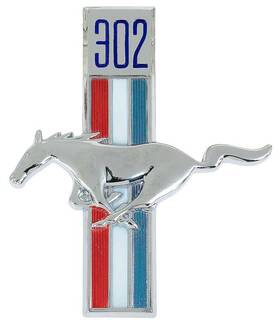
( Brand: Scott Drake ), ( Manufacturer Part Number: 16228I ), ( Part Type: Bar Fender Emblem ), ( UPC: 842110142849 )
Review SCOTT DRAKE Running Horse Tri bar Fender Emblem Lh fits MUSTANG 302 1968
The **Scott Drake 16228I 1968 Mustang 302 Running Horse Tri-Bar Fender Emblem (Left Hand)** is a meticulously crafted, high-quality reproduction emblem that captures the iconic spirit of the legendary 1968 Ford Mustang 302, one of the most coveted and recognizable muscle cars of all time. Designed to replicate the original factory emblem with precision, this piece features the signature **Running Horse** logo a symbol synonymous with the Mustang s heritage set against a sleek, chrome-plated tri-bar background that exudes classic American muscle. The emblem is crafted from durable, die-cast metal, ensuring a sturdy yet lightweight finish that resists wear and corrosion over time, making it ideal for both show cars and daily drivers. The left-hand orientation ensures perfect alignment with the driver s side fender, where it will stand out as a striking focal point, adding instant authenticity and visual appeal to any Mustang restoration or custom build. Whether mounted on a freshly restored 302-powered Mustang or a modern hot rod inspired by the era, this emblem serves as a timeless tribute to Ford s engineering prowess and the unmatched legacy of the "Shelby Mustang." Its polished chrome surface reflects light beautifully, enhancing the car s presence on the road or at the show, while the meticulous detailing from the sharp horse s mane to the crisp lines of the tri-bar ensures it looks as sharp as the original. For enthusiasts who demand nothing less than perfection, this Scott Drake emblem is the perfect blend of heritage, craftsmanship, and eye-catching style.
### Pros and Cons of buying a Scott Drake 16228I 1968 Mustang 302 Running Horse Tri-Bar Fender Emblem (LH)
---
#### **Pros**
1. **Classic Design and Heritage**
The 1968 Mustang is an iconic American muscle car, embodying the spirit of the mid-1960s automotive era. The "Running Horse" badge and tri-bar fender emblem are highly sought-after features that add to its vintage appeal. This car is a piece of automotive history, making it a desirable collector s item for enthusiasts.
2. **Rare and Well-Recognized Trim**
The "Running Horse" badge was only available on the **High Performance Package (HPP)** models, which included a 289 or 302 cubic inch engine (depending on the market). The **Tri-Bar Fender Emblem** was a signature detail of the HPP, making this a standout Mustang. These features significantly increase its rarity and collectible value compared to standard Mustangs.
3. **Potential for High Resale Value**
Well-preserved 1968 Mustangs, especially those with the HPP trim, are known to appreciate in value over time. If maintained properly, this car could be a solid investment for collectors or those looking to sell in the future.
4. **Engine Options and Performance**
The **302 cubic inch engine** (likely a **Cleveland or Boss 302**) was a powerful option for its time, offering strong performance. If this car has been properly maintained or restored, it could still deliver enjoyable driving dynamics, especially if paired with modern upgrades (e.g., fuel injection, suspension tuning, or performance exhaust).
5. **Restoration Potential**
If the car is in need of restoration, the 1968 Mustang is a relatively straightforward project for enthusiasts. Parts are widely available, and the aftermarket supports classic Mustangs with a wealth of restoration guides, kits, and resources.
6. **Show Car Potential**
With its distinctive badging and clean lines, this Mustang would be a standout at car shows, especially in the "High Performance" or "Restomod" classes. Its rarity makes it a conversation starter and a memorable display piece.
7. **Community and Enthusiast Appeal**
Owning a 1968 Mustang HPP connects you to a passionate community of collectors and restorers. There are numerous clubs, forums (e.g., Mustang Monthly, Facebook groups), and events where you can share knowledge, find parts, and enjoy the camaraderie of like-minded individuals.
8. **Customization Flexibility**
Beyond restoration, the Mustang s platform allows for extensive customization. You could modify it for street performance, track use, or even a modern "restomod" build with contemporary tech while preserving its classic aesthetic.
---
#### **Cons**
1. **High Cost of Purchase and Maintenance**
A well-preserved 1968 Mustang HPP with the Running Horse badge and tri-bar emblems is not a budget purchase. Prices for such cars can range from **$50,000 to over $100,000 **, depending on condition, provenance, and rarity. Maintenance costs (e.g., classic car insurance, specialized parts, labor) will also be significantly higher than for a modern vehicle.
2. **Potential for Hidden Issues**
Classic cars often come with unknown mechanical or structural problems. Rust, frame damage, or neglected engine components (e.g., valve train issues in older small-block Ford engines) can be costly to repair. A thorough pre-purchase inspection (PPI) by a trusted classic car mechanic is essential but may not uncover all issues.
3. **Parts Availability and Cost**
While parts for the 1968 Mustang are widely available, some rare or high-quality components (e.g., original HPP badging, specific trim pieces) can be difficult or expensive to source. Replicas exist, but authentic parts may be hard to find without deep pockets.
4. **Driving Limitations**
Unlike modern cars, a 1968 Mustang may lack features like air conditioning, power steering, or modern safety systems (e.g., ABS, stability control). Driving comfort and convenience will be reduced compared to contemporary vehicles. Additionally, fuel efficiency will be poor (expect 10-12 MPG), and highway cruising may be less comfortable.
5. **Insurance and Storage Challenges**
Classic car insurance is more expensive than standard auto insurance due to the higher value and potential risks (e.g., theft, fire, or restoration mishaps). Storage options (garage, climate-controlled facility) are also a consideration, as improper storage can accelerate deterioration.
6. **Time-Consuming Restoration or Upkeep**
If the car requires restoration, the process can be time-intensive and labor-heavy. Even routine maintenance (e.g., carburetor tuning, brake system overhauls) may require specialized knowledge or tools. Some owners may need to invest in learning classic car mechanics or hiring professionals.
7. **Depreciation Risk**
While some classic cars appreciate, others depreciate if not maintained properly. If the car is not restored or cared for, its value could decline. Additionally, market trends or economic factors (e.g., inflation, interest rates) can impact resale value.
8. **Legal and Registration Hurdles**
Some states have strict regulations for classic cars, including emissions testing, historical registration requirements, or restrictions on modifications. Ensure the car meets local laws before purchasing, as non-compliance could lead to fines or registration issues.
9. **Lifestyle Inconvenience**
Owning a classic car may not be practical for daily use. Issues like long warm-up times, limited visibility (especially in modern safety glass), or unreliable electronics (e.g., faulty gauges) can make it less convenient than a modern vehicle. If you rely on the car for commuting or long trips, this could be a significant drawback.
10. **Market Saturation and Competition**
The classic car market is competitive, and supply can sometimes outpace demand. If the car is not in pristine condition, selling it later may be challenging, especially if similar examples hit the market.
---
### **Conclusion**
The Scott Drake 16228I 1968 Mustang 302 with Running Horse and tri-bar emblems is a **highly desirable classic car** that combines rarity, heritage, and aesthetic appeal. It is an excellent choice for:
- **Enthusiasts who prioritize collecting and restoring classic cars.**
- **Owners who value driving history and the joy of owning a piece of automotive legend.**
- **Individuals willing to invest time, money, and effort into maintaining or restoring the vehicle.**
- **Those who appreciate the community and cultural significance of the Mustang.**
However, it is **not ideal** for:- **Budget-conscious buyers** who cannot afford the purchase price or ongoing costs.
- **Casual drivers** who need a reliable, modern vehicle for daily use.
- **Those unwilling to commit to maintenance, restoration, or storage requirements.**
- **Buyers who prioritize convenience, fuel efficiency, or advanced safety features.**
---
### **Recommendation**
If you are **serious about classic cars** and have the financial means to purchase, maintain, and potentially restore this Mustang, it is a **fantastic investment and passion project**. Here s how to approach it:
1. **Verify the Car s History and Condition**
- Obtain a **detailed bill of health** from a trusted classic car mechanic.
- Check for **originality** (e.g., VIN authenticity, service records, restoration history).
- Ensure the **engine, transmission, and frame** are in good condition, as these are the most expensive components to replace.
2. **Budget for Hidden Costs**
- Allocate funds for **insurance, storage, and unexpected repairs** (aim for at least 10-15% of the purchase price for the first year).
- Consider whether you ll **restore it yourself** or hire professionals factor in labor costs.
3. **Decide on Your Goal**
- **Restoration:** If you want a showroom-quality car, budget **$50,000 $100,000 ** depending on the level of detail.
- **Restomod:** If you prefer a modernized version (e.g., fuel injection, suspension upgrades), balance classic aesthetics with performance.
- **Driving/Projects Car:** If you ll use it occasionally, focus on reliability and fun rather than perfection.
4. **Join the Community**
- Engage with **Mustang clubs, forums, and restoration groups** for advice, part sourcing, and networking.
- Attend **car shows or auctions** (e.g., Barrett-Jackson, RM Sotheby s) to learn about market trends and see similar examples.
5. **Consider Alternative Options**
- If the price is prohibitive, look for **similar but slightly less rare** Mustangs (e.g., 1967 or 1969 HPP models) that may offer better value.
- Explore **restored examples** that come with service records, as they may be more reliable than a project car.
6. **Enjoy the Journey**
Owning a classic Mustang is as much about the **experience** as it is about the car itself. Whether you re restoring it, driving it, or simply admiring it, the passion for these machines is what makes them special.
---
### **Final Verdict**
**Buy it if:**- You are financially prepared for the costs and
Details:
Includes mounting hardware. 1968 Mustang; 302 Running Horse Tri-Bar; Fender Emblem; LH: Reproduction of the original drivers side Tri-Bar front fender emblem for use on Mustangs. New holes may need to be drilled if fenders were replaced. Pin-on emblem which will install in the original factory holes.
This beautiful reproduction fender emblem is a factory replacement manufactured to specifications offering an authentic and quality appearance.
part #: 16228i price
- $42.33
specifications emblico:
- for models: 302, Mustang
- for years: 1968
- brand: Scott Drake
- mpn: 16228i
- part type: Bar Fender Emblem
- upc: 842110142849
shipping emblico:
- transit: 5-10 Days
- service: USPS Ground Advantage, UPS Ground, UPS 2nd Day Air, FedEx Ground / FedEx Home Delivery
- type: Calculated
- cost: $6.56
- class: Standard, Expedited
- carrier: USPS, UPS, FedEx
general emblico:
- Car Truck Parts Accessories > Exterior Parts Accessories > Emblems Ornaments
- condition: New
returns emblico:
- policy: Returns Accepted
- paid by: Seller
- time: 30 Days
offer emblico:
- started: May 23, 2026
- sold: 0
- quantity: 4
- options: Ship-to-home
- availability: In Stock
seller emblico:
- city: Huntington Beach, California
- rating: 99.7%
- # reviews: 63904
payments emblico:
- other
- credit card: Discover
- wallet: Apple-pay
Scott Drake 16228I Is Similar To:
- C3oz-16228-5.0 Scott Drake Mustang 5.0 (37.5% similar) Shipping costs listed in offers are accurate for the contiguous us only. Beware of cheap imitations. Pins are in proper location. This die-cast emblem features outstanding chrome plating and a painted black background. The best on market. This is a pin-on emblem, which requires you to use your ...(December 11th, 2017)
- C5zz-8213-ar Scott Drake Mustang Grille (42.5% similar) Scott Drake grille emblem horse and corral 1965 : for all 1965 mustangs. The horse and corral emblem that comes standard with your vintage ls quo stang is an iconic feature. Scott Drake has become an iconic brand that redefines quality for reproduction and aftermarket mustang parts 1965 to ...(July 5th, 2017)
- C5zz-8a224-b Scott Drake Mustang Grille (42.5% similar) Features:- fits all mustangs oem replacement chrome plated finish hassle free installation Scott Drake has become an iconic brand that redefines quality for reproduction and aftermarket mustang parts 1965 to present mustangs, the standard offer best fit, durability. Every part is designed to look ...(February 13th, 2018)
- C6oz-16098-b Scott Drake Emblem Fender Gt Logo Ford Each (36.9% similar) Emblem finish black red logo solid quantity sold individually. Fitment information may not be available for all products and those without will have a compatibility link. Buyer pays return shipping...(August 27th, 2018)
- C6tz-16098-b Scott Drake Replacement Vehicle Emblem (40% similar) Buyer pays return shipping. Emblem finish chrome logo bronco solid notes mounting hardware included. Quantity sold individually. Fitment information may not be available for all products and those without will have a compatibility link...(April 27th, 2018)
- C6zz-8213-b Scott Drake Mustang Grille Horse (45.8% similar) Made by Scott Drake. Shipping costs listed in offers are accurate for the contiguous us only. For use with a 1966 grille. Beautiful copy of the original, with show quality chrome. Scott Drake grille horse and corral 1966 : for 1966 mustang GTS...(February 9th, 2017)
- C6zz-8213-led Scott Drake Mustang Grille (42.1% similar) Let your mustang stick out with this grille corral led light kit from Scott Drake. Purchase a Scott Drake grille corral led light kit for all mustangs from ck pony parts today. Kit includes: - white reflective panel waterproof led modules electrical connectors detailed instructions mounting brackets...(May 31st, 2017)
- C7gy-16098-b Scott Drake Mustang Gt (36.7% similar) Made from pressure die-cast zinc. Shipping costs listed in offers are accurate for the contiguous us only. Scott Drake fender emblem pin on 1968 : for 1968 mustang GTS. Hardware is included. This is a pin on emblem, which requires you to use your original fender emblem holes or drill new in the ...(December 27th, 2017)
- C7oz-16098-a Scott Drake Mustang Fender (46% similar) Scott Drake fender emblem GTA pin on 1967 : for 1967 mustang GTS with an automatic transmission. This is a pin-on emblem, which requires you to use your original fender emblem holes or drill new in the for proper installation. Pressure die cast zinc, not plastic. Hardware is included. Shipping ...(March 31st, 2017)
- C7tz-16098-a Scott Drake Bronco Fender (35.7% similar) A chrome finish sets this piece off, along with the correct red paint and even iconic bucking bronco found in upper left corner. Scott Drake fender emblem sport bronco: for all 1966 , 1967 , 1968 , 1969 , 1970 , 1971 , 1972 , 1973 , 1974 , 1975 , 1976 and 1977 broncos. Shipping costs ...(July 31st, 2017)
- C7tz-8316-s Scott Drake Bronco Grille (32.4% similar) Luckily, ck pony parts offers replacement for classic broncos. The inserts have a red resin finish for an original look. Classic vehicles such as ford broncos will probably be missing some parts at this point in time. Order a Scott Drake ford grille letter set with red inlay for your 1966 , 1967...(June 29th, 2017)