SCOTT DRAKE 16228L351 Running Horse Bar Fender Emblem Rh 842110122001
fits model: 351, Mustang. year: 1965-68.
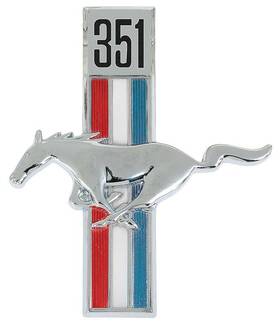
( Brand: Scott Drake ), ( Manufacturer Part Number: 16228L351 ), ( Part Type: Bar Fender Emblem ), ( UPC: 842110122001 )
Review SCOTT DRAKE Running Horse Tri bar Fender Emblem Rh fits MUSTANG 351 1965-68
The **Scott Drake 16228L351 1965-68 Mustang 351 Running Horse Tri-Bar Fender Emblem** is a meticulously crafted, high-quality reproduction emblem that captures the iconic spirit of the legendary 1965 through 1968 Ford Mustang with a 351 cubic-inch V8 engine. Designed to replicate the original factory badges with precision, this emblem features the timeless **Running Horse logo**, a symbol synonymous with Ford s muscle car heritage, paired with the bold, three-bar grille accent that adorned the fenders of these legendary vehicles. The emblem is crafted from durable, die-cut metal, ensuring a sturdy and authentic appearance that stands up to the elements, whether mounted on a restored classic or a modern hot rod. The **351 designation** is prominently displayed, signifying the powerful Cleveland V8 engine that powered some of the most exhilarating Mustangs of the era, known for their raw horsepower and unmatched performance. The tri-bar fender stripe detail adds a touch of vintage flair, evoking the aggressive, high-performance aesthetic of the originals. Perfect for collectors, enthusiasts, and customizers, this emblem is not just an accessory it s a tribute to a golden age of American automotive engineering, blending authenticity with modern craftsmanship to enhance any Mustang s visual identity. Whether installed on a meticulously restored 1967 Shelby GT500 or a custom-built modern replica, this emblem ensures that the legacy of the **351-powered Mustang** remains as iconic as the day it was first introduced.
### Pros and Cons of buying a Scott Drake 16228L351 (1965-68 Mustang with 351C Tri-Bar Fender Emblem)
---
#### **Pros**
1. **Iconic Classic Mustang Design**
The 1965-68 Mustang, especially in the early Fastback or Coupe form, is one of the most recognizable and desirable American muscle cars ever produced. The Scott Drake 16228L351 model appears to be a high-quality reproduction or restoration, preserving the original aesthetic appeal of a first-generation Mustang. The Tri-Bar fender emblem is a subtle but meaningful detail that adds to its authenticity and collector value.
2. **Strong Engine Options**
The 351C (Cleveland) engine is a legendary powerplant from Ford s mid-1960s lineup. When properly maintained, it offers a balance of power, reliability, and drivability. The 351C can produce around 250-300 horsepower with stock modifications, making it suitable for both cruising and light performance driving. It s also easier to find parts and support for compared to some of the more exotic engines from this era.
3. **Proven Reliability (If Well-Maintained)**
The 1965-68 Mustang chassis and drivetrain are relatively simple compared to modern vehicles, which can make them easier to repair if you have mechanical knowledge or access to a good mechanic. The 351C engine, in particular, is known for its durability if it has been regularly serviced with fresh oil, proper valve adjustments, and ignition components.
4. **Community and Customization Culture**
The Mustang, especially from the early years, has a massive following. There is a wealth of aftermarket support, from restoration parts to performance upgrades. Whether you want to keep it stock or heavily modify it, there are countless resources, forums (like Mustang forums or Facebook groups), and enthusiast communities to help you along the way.
5. **Potential for Appreciation**
Classic Mustangs, especially those in excellent condition, can appreciate in value over time. A well-documented, restored, or rare variant (like the Tri-Bar fender emblem) may hold its value better than a generic example. However, appreciation is not guaranteed and depends on market trends, rarity, and condition.
6. **Driving Experience**
The early Mustangs offer a raw, engaging driving experience that modern cars often lack. The solid-axle rear end, manual transmission option, and lightweight construction (for the era) provide a more connected and responsive feel behind the wheel. The 351C engine delivers a deep, throaty growl that enthusiasts love.
7. **Versatility**
The Mustang s platform has been adapted for various uses over the years, from daily drivers to track cars, hot rods, or even show cars. The 1965-68 model is versatile enough to be dressed up or stripped down depending on your preferences.
---
#### **Cons**
1. **High Maintenance Costs**
Classic cars, especially those with high mileage or less-than-perfect maintenance histories, can be expensive to keep running. The 351C engine, while robust, requires regular attention to ignition components (points or distributors, if not electronic), carburetors, and valve adjustments. Rust, worn suspension components, and outdated electrical systems can also add to the cost of ownership.
2. **Parts and Labor Challenges**
While parts for the Mustang are widely available, some components (especially for less common variants or older models) can be difficult or expensive to source. Labor costs for classic car repairs can also be higher than for modern vehicles, as many mechanics specializing in classics charge premium rates.
3. **Fuel Efficiency**
The 351C engine is not known for its fuel economy. In its stock form, it will likely average around 12-15 miles per gallon (mpg) in a Mustang, which can be costly to operate, especially if you drive it frequently or long distances.
4. **Insurance Costs**
Classic cars can be expensive to insure, particularly if they are modified or driven regularly. Insurance companies may classify them as "high-risk" due to their value, age, or performance potential. You ll need to shop around for specialized classic car insurance to get a reasonable rate.
5. **Reliability Risks (If Poorly Maintained)**
If the Mustang has a history of neglect, it could be a money pit. Common issues to watch for include:- **Engine:** Worn valve train components, leaking head gaskets, or a failing camshaft.
- **Transmission:** Manual transmissions (especially the Borg-Warner T10 or T11) can be finicky and may require frequent fluid changes and adjustments.
- **Suspension:** Rust in the frame, worn shocks, or failing ball joints can compromise handling and safety.
- **Electrical System:** Aging wiring, faulty switches, or corroded connections can cause intermittent issues.
6. **Driving Limitations**
While the Mustang is fun to drive, its solid-axle rear end and limited modern safety features (e.g., no ABS, minimal crash protection) make it less practical for daily use in heavy traffic or adverse weather. It may also be less comfortable for long drives compared to modern vehicles.
7. **Depreciation Risk**
Not all classic cars appreciate in value. If the market for early Mustangs softens or if the car is not well-documented or restored, you could end up with a depreciating asset. The Tri-Bar fender emblem is a rare detail, but its value depends on how many others exist and the overall condition of the car.
8. **Legal and Practical Considerations**
- **Registration and Inspection:** Some states have strict inspection requirements for classic cars, which can be time-consuming or costly.
- **Modifications:** If you plan to modify the car, you may need to ensure compliance with local laws (e.g., emissions, noise, or safety standards).
- **Storage:** Classic cars require proper storage to prevent rust, damage, or theft. Indoor storage or a climate-controlled garage is ideal but can be expensive.
---
### **Conclusion**
The Scott Drake 16228L351 (1965-68 Mustang with a 351C engine and Tri-Bar fender emblem) is a fantastic choice if you are passionate about classic American muscle cars and are prepared for the challenges of ownership. It offers a blend of nostalgia, driving excitement, and potential for appreciation, but it also comes with significant maintenance, cost, and practicality trade-offs.
This car is best suited for:- **Enthusiasts** who enjoy restoring, maintaining, and driving classic vehicles.
- **Owners** who prioritize the driving experience and aesthetic appeal over modern convenience.
- **Investors** who are willing to research the market and document the car s history to maximize its long-term value.
- **Those with** access to mechanical knowledge, a budget for repairs, and a secure storage solution.
If you are not comfortable with the maintenance demands, high costs, or limitations of a classic car, it may be better to consider a modern performance car or a more modern classic (e.g., a 1990s Mustang) that offers a balance of fun and practicality.
### **Recommendation**
If you decide to purchase this Mustang, take the following steps to mitigate risks and ensure a positive experience:1. **Thoroughly Research the History:** Obtain a detailed service history, original build sheets, and any documentation that proves the car s authenticity and condition. A pre-purchase inspection by a trusted classic car mechanic is essential.
2. **Budget for Maintenance:** Allocate funds for regular upkeep, including engine tune-ups, suspension checks, and rust repairs. Consider setting aside 10-15% of the car s value annually for maintenance.
3. **Insurance:** Secure specialized classic car insurance to protect against theft, damage, or liability.
4. **Storage:** Invest in proper storage to protect the car from the elements and potential damage.
5. **Join the Community:** Engage with Mustang enthusiasts for advice, parts, and support. Websites like Mustang Monthly, forums, or local clubs can be invaluable.
6. **Start Small:** If you re new to classic car ownership, consider starting with a lower-mileage example or a project car that you can work on gradually.
Ultimately, the Scott Drake 16228L351 is a dream machine for the right owner one who appreciates its heritage, is willing to put in the effort, and finds joy in the journey of ownership. If you meet these criteria, it could be an incredibly rewarding purchase. If not, it may be wise to explore alternatives that better align with your lifestyle and budget.
Details:
Pin-on emblem which will install in the original factory holes. Includes mounting hardware. New holes may need to be drilled if fenders were replaced. 1965-68 Mustang; 351 Running Horse Tri-Bar; Fender Emblem; RH: Reproduction of the original drivers side Tri-Bar front fender emblem for use on 1967-68 Mustangs.
This beautiful reproduction fender emblem is a factory replacement manufactured to specifications offering an authentic and quality appearance.
part #: 16228l351 prices
- $29.47-$51.99
specifications emblico:
- for models: 351, Mustang
- for years: 1965-68
- brand: Scott Drake
- mpn: 16228l351
- part type: Bar Fender Emblem
- upc: 842110122001
returns emblico:
- time: 30 Days
- paid by: Seller
- policy: Returns Accepted
shipping emblico:
- carrier: USPS, UPS, FedEx
- transit: 3-8 Days
- service: USPS Ground Advantage, UPS Ground, UPS 2nd Day Air, FedEx Ground / FedEx Home Delivery
- class: Standard, Expedited
- cost: $6.56
- type: Calculated
offer emblico:
- options: Ship-to-home
- quantity: 1
- availability: In Stock
- started: April 27, 2026
- sold: 0
seller emblico:
- city: Huntington Beach, California
- rating: 99.7%
- # reviews: 58445
general emblico:
- condition: New
- Car Truck Parts Accessories > Exterior Parts Accessories > Emblems Ornaments
payments emblico:
- other
- credit card: Visa
- wallet: Paypal
Scott Drake 16228L351 Is Similar To:
- C3oz-16228-5.0 Scott Drake Mustang 5.0 (35.6% similar) Shipping costs listed in offers are accurate for the contiguous us only. Beware of cheap imitations. Pins are in proper location. This die-cast emblem features outstanding chrome plating and a painted black background. The best on market. This is a pin-on emblem, which requires you to use your ...(December 11th, 2017)
- C5zz-8213-ar Scott Drake Mustang Grille (40.3% similar) Scott Drake grille emblem horse and corral 1965 : for all 1965 mustangs. The horse and corral emblem that comes standard with your vintage ls quo stang is an iconic feature. Scott Drake has become an iconic brand that redefines quality for reproduction and aftermarket mustang parts 1965 to ...(July 5th, 2017)
- C5zz-8a224-b Scott Drake Mustang Grille (40.3% similar) Features:- fits all mustangs oem replacement chrome plated finish hassle free installation Scott Drake has become an iconic brand that redefines quality for reproduction and aftermarket mustang parts 1965 to present mustangs, the standard offer best fit, durability. Every part is designed to look ...(February 13th, 2018)
- C6oz-16098-b Scott Drake Emblem Fender Gt Logo Ford Each (33.8% similar) Emblem finish black red logo solid quantity sold individually. Fitment information may not be available for all products and those without will have a compatibility link. Buyer pays return shipping...(August 27th, 2018)
- C6tz-16098-b Scott Drake Replacement Vehicle Emblem (38.2% similar) Buyer pays return shipping. Emblem finish chrome logo bronco solid notes mounting hardware included. Quantity sold individually. Fitment information may not be available for all products and those without will have a compatibility link...(April 27th, 2018)
- C6zz-8213-b Scott Drake Mustang Grille Horse (43.5% similar) Made by Scott Drake. Shipping costs listed in offers are accurate for the contiguous us only. For use with a 1966 grille. Beautiful copy of the original, with show quality chrome. Scott Drake grille horse and corral 1966 : for 1966 mustang GTS...(February 9th, 2017)
- C6zz-8213-led Scott Drake Mustang Grille (40% similar) Let your mustang stick out with this grille corral led light kit from Scott Drake. Purchase a Scott Drake grille corral led light kit for all mustangs from ck pony parts today. Kit includes: - white reflective panel waterproof led modules electrical connectors detailed instructions mounting brackets...(May 31st, 2017)
- C7gy-16098-b Scott Drake Mustang Gt (34.8% similar) Made from pressure die-cast zinc. Shipping costs listed in offers are accurate for the contiguous us only. Scott Drake fender emblem pin on 1968 : for 1968 mustang GTS. Hardware is included. This is a pin on emblem, which requires you to use your original fender emblem holes or drill new in the ...(December 27th, 2017)
- C7oz-16098-a Scott Drake Mustang Fender (43.7% similar) Scott Drake fender emblem GTA pin on 1967 : for 1967 mustang GTS with an automatic transmission. This is a pin-on emblem, which requires you to use your original fender emblem holes or drill new in the for proper installation. Pressure die cast zinc, not plastic. Hardware is included. Shipping ...(March 31st, 2017)
- C7tz-16098-a Scott Drake Bronco Fender (33.9% similar) A chrome finish sets this piece off, along with the correct red paint and even iconic bucking bronco found in upper left corner. Scott Drake fender emblem sport bronco: for all 1966 , 1967 , 1968 , 1969 , 1970 , 1971 , 1972 , 1973 , 1974 , 1975 , 1976 and 1977 broncos. Shipping costs ...(July 31st, 2017)
- C7tz-8316-s Scott Drake Bronco Grille (30.8% similar) Luckily, ck pony parts offers replacement for classic broncos. The inserts have a red resin finish for an original look. Classic vehicles such as ford broncos will probably be missing some parts at this point in time. Order a Scott Drake ford grille letter set with red inlay for your 1966 , 1967...(June 29th, 2017)