CHEVROLET 337685 Emblem Gm 3-5/8
fits model: 400. make: Chevrolet. year: 1970–1972.
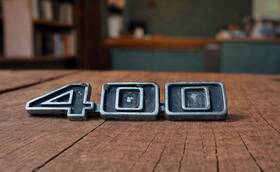
( Manufacturer Part Number: 337685 ), ( Type: Emblem ), ( Theme: Logo ), ( Vintage Part: Yes ), ( Country Of Origin: United States )
Review CHEVROLET Emblem Original Gm 3-5/8 Inch fits 400 1970–1972
The **Chevrolet 337685 1970 1972 400 Emblem GM 3-5/8" Badge** is a meticulously crafted, high-quality reproduction emblem that pays homage to the iconic era of American muscle and performance. Designed to capture the unmistakable spirit of the legendary **Chevrolet 400** series an emblematic badge from the late 1960s and early 1970s this emblem features a bold, chrome-plated finish that gleams with a timeless shine, evoking the same polished presence as the original factory pieces. The **3-5/8-inch** size strikes a perfect balance between prominence and proportion, making it ideal for placement on the hood, trunk, or even as a standout accent on a classic Chevrolet s grille or dashboard. The **GM 3-5/8" 400 Emblem** is not merely a decorative piece but a tribute to the engineering prowess and aggressive styling of the era, when big-block V8s roared to life and American automotive culture reached its peak. Crafted with precision, this emblem boasts a durable, die-cast metal construction that ensures longevity, resisting tarnish and wear while maintaining its striking appearance. Whether adorning a restored **Chevelle SS**, a **Camaro Z/28**, or a **Nova SS**, this emblem instantly elevates the vehicle s aesthetic, bridging the gap between vintage authenticity and modern appreciation for classic muscle cars. For enthusiasts and collectors, it serves as both a functional nod to the past and a statement of passion for the golden age of American automotive design.
### **Pros and Cons of Buying a 1970 1972 Chevrolet 337685 (400 Emblem, 350/400ci GM V8)**
#### **Pros**
1. **Classic Muscle Car Heritage**
The 1970 1972 Chevrolet models, particularly those with the **400ci V8 (337685 engine code)**, represent the peak of American muscle car design before emissions regulations drastically altered performance. These engines were built for power, with high compression, solid lifters, and strong cylinder heads, making them sought-after by enthusiasts.
2. **Strong Engine Options**
- The **400ci (6.6L) V8** was a robust powerplant, producing **250 300 horsepower** in stock form, depending on the year and modifications.
- Many were equipped with **4-barrel carburetors (Holley or Carter AFB)**, which are easier to work with than modern fuel injection.
- The **350ci (5.7L) version** (also common in this era) was slightly more refined and efficient while still delivering strong performance.
3. **Proven Reliability (With Proper Maintenance)**
- GM s **small-block V8s** from this era are legendary for durability when maintained correctly.
- Common issues (like valve train wear) can be mitigated with regular oil changes and proper tuning.
- Many of these engines have been rebuilt multiple times, with aftermarket support making parts widely available.
4. **Affordable Restoration Potential**
- Parts for these cars are relatively inexpensive compared to modern muscle cars, especially if you re willing to source used or aftermarket components.
- Common models like the **Chevelle SS, Nova SS, or El Camino SS** have large owner communities, making maintenance and modifications easier.
5. **Great for Modifications**
- The **400ci engine** responds well to **big-block swaps** (e.g., a **454ci or 468ci Chevy**) or **small-block upgrades** (e.g., **LS swaps**).
- The **transmission options** (3-speed manual, 4-speed manual, or **TH350/400 automatic**) allow for customization based on driving preferences.
- **Suspension and drivetrain upgrades** (e.g., **heavy-duty springs, limited-slip differentials**) can significantly improve handling.
6. **Nostalgia & Collectibility**
- These cars are highly desirable among vintage car enthusiasts, especially in **showroom condition**.
- Well-preserved examples can appreciate in value, particularly **restomods** (restored-modified hybrids).
7. **Simpler Technology Than Modern Cars**
- No complex electronics (unlike modern fuel-injected engines).
- Easier to diagnose and repair with basic tools.
- **No hybrid or electric complications** pure mechanical driving experience.
---
#### **Cons**
1. **Aging Chassis & Suspension**
- Many **1970 1972 models** suffer from **rust** (especially in the frame rails, floor pans, and wheel wells).
- **Suspension components** (shocks, springs, bushings) often wear out over time, requiring frequent replacements.
- **Steering and alignment issues** are common due to worn tie rods and ball joints.
2. **Emissions & Fuel Efficiency Concerns**
- **Positive Crankcase Ventilation (PCV) systems** and **exhaust gas recirculation (EGR)** were introduced in 1970, reducing performance.
- **Carburetors** (especially Holley 4150s) can be finicky, requiring frequent tuning.
- **Gas mileage** is poor by modern standards expect **10 15 MPG** in a stock condition.
3. **Transmission & Drivetrain Weaknesses**
- **Manual transmissions (especially the 3-speed)** can be rough and may require synchro replacements.
- **Automatic transmissions (TH350/400)** can develop **slippage or rough shifting** over time.
- **Differential seals** often leak, requiring frequent fluid changes.
4. **Interior Wear & Comfort**
- **Vinyl interiors** crack and peel over time.
- **Heating and A/C systems** are often unreliable or non-functional.
- **Seats and upholstery** may be worn, making long drives uncomfortable.
5. **High Maintenance Costs (If Neglected)**
- **Ignoring rust** can lead to structural failure.
- **Oil leaks** (valve cover gaskets, rear main seal) are common and require attention.
- **Electrical issues** (failing switches, wiring harness problems) are more frequent than in modern cars.
6. **Limited Modern Safety Features**
- **No ABS, airbags, or modern crash structures** these cars are **not safe by today s standards**.
- **Poor visibility** due to large hoods and limited side mirrors.
- **No modern driver aids** (backup cameras, stability control).
7. **Insurance & Registration Challenges**
- **Classic car insurance** can be expensive if the vehicle is not properly documented as a collector s item.
- **Smog and emissions testing** (in some states) can be difficult for older cars, especially if modifications are made.
---
### **Conclusion & Recommendation**
#### **Best For:**- **Enthusiasts who enjoy mechanical work and restoration projects.**
- **Those who prioritize driving experience over modern convenience.**
- **Owners who want a **highly modifiable, powerful muscle car** with strong aftermarket support.**
- **Collectors who appreciate vintage automotive history and are willing to invest time in maintenance.**
#### **Not Ideal For:**- **Casual drivers** who want a **reliable, low-maintenance daily vehicle.**
- **Those who dislike spending significant time on repairs and modifications.**
- **People who prioritize **fuel efficiency, safety, or modern technology** over classic performance.**
#### **Final Recommendation:**If you re **passionate about muscle cars, willing to put in the work, and have a budget for repairs**, a **1970 1972 Chevrolet with a 400ci or 350ci V8** can be an **incredibly rewarding project**. Start with a **well-documented, rust-free example** (preferably with a **clean title**) and focus on **essential repairs first** (chassis, suspension, engine basics).
If you re **not prepared for the maintenance**, consider a **restored or restomod version** where much of the work has already been done. Alternatively, look into **more modern muscle cars (e.g., 1990s 2000s Camaros, Mustangs)** if you want **better reliability without sacrificing performance**.
For the **true enthusiast**, this era of Chevrolet represents **the golden age of American muscle** but it requires **respect, patience, and dedication** to keep running smoothly.
Details:
Correct for several applications including Chevalier, Nova, Monte Carlo and other model's depending on year trim. Un restored, shows wear, pitting, paint loss. Measures approximately 3-5/8 wide. GM part number 337685.
Used on various early 1970s Chevrolet model's equipped with the 400 cubic inch engine. Original Chevrolet 400 engine size emblem.
part #: 337685 prices
- $16.99-$40.00
specifications emblico:
- for models: 400
- for makes: Chevrolet
- for years: 1970-1972
- mpn: 337685
- type: Emblem
- theme: Logo
- vintage part: Yes
- country of origin: United States
seller emblico:
- # reviews: 8615
- city: Cincinnati, Ohio
- rating: 100.0%
returns emblico:
- policy: Returns Accepted
- paid by: Seller
- time: 30 Days
payments emblico:
- other
- credit card: Discover
- wallet: Google-pay
shipping emblico:
- transit: 2-6 Days
- type: Fixed
- service: Standard
- class: Standard
- cost: $6.95
offer emblico:
- started: February 18, 2026
- options: Ship-to-home
- sold: 0
- availability: In Stock
- quantity: 1
general emblico:
- Car Truck Parts Accessories > Exterior Parts Accessories > Emblems Ornaments
- condition: Used
Chevrolet 337685 Is Similar To:
- 10249082 Chevrolet Emblem Grille Chrome (44% similar) Chevrolet impala SS body parts and trim new old stock in factory package - never opened emblem grille chrome bow-tie...(July 21st, 2018)
- 0000000000000012 Reproduction Chevrolet Emblem Script Hood Trunk New Repop Restore Hot (30.1% similar) Not sure what it fits...(October 5th, 2018)
- 012318d-2018-0032 Chevrolet Impala Front Grill Bowtie Emblem Donk Chevy (35.1% similar) This listing is for a chevrolet impala front grill bow tie emblem. Item comes just as pictured. Both mounting studs intact...(January 25th, 2019)
- 0346 Gm Chevrolet Grille Emblem Badge Exterior Trim Ornament Chevy Impala (37.6% similar) ...(July 14th, 2018)
- 050718k-2018-0011 Chevrolet Caprice Front Header Panel Emblem Donk (33.3% similar) Please look at pictures closely as item comes just pictured. Item comes just as pictured. This listing is for a 1976 chevrolet caprice front header panel emblem...(May 14th, 2018)
- 061818p-2018-0008 Chevrolet Boat Tail Buick Riviera Front Grill Emblem Donk (31.1% similar) Studs in good shape. This listing is for a boat tail Buick riviera grill emblem. Item comes just as pictured...(June 21st, 2018)
- 081018g-2018-0020 Chevrolet Impala Front Grill Bowtie Emblem Donk (33.6% similar) Both mounting studs intact. Item comes just as pictured. This listing is for a chevrolet impala front grill bow tie emblem...(August 12th, 2018)
- 10046792 Chevrolet Beretta Gt Dash Emblem New Original Gm Sharp (53.7% similar) Just the perfect finishing touch for your Beretta gt. Dress up your interior with this sharp-looking dash emblem. All mounting pins intact. All plastic with chromed and red letters...(June 16th, 2018)
- 10047618 Chevrolet Celebrity Front Grille Emblem Gold Bowtie Ornament Euro Oem (37.7% similar) ...(March 4th, 2018)
- 10104390 Chevrolet Caprice Classic Dash Emblem Chrome (37.2% similar) They may still have glue on the backs from being glued to donor car. They do not come with glue or tape to attach them your car. Came off a 1993 caprice classic. Rims on cars can vary within the same year. See pictures. Dates in title are an estimate...(August 14th, 2018)
- 10188796 Gm Chevrolet Caprice Trunk Lock Cover Emblem Badge (35.3% similar) The door has slight drooping when closed mechanism still works properly. Condition is good. To edit 96 chevrolet caprice trunk lock cover emblem badge removed from a 94. The emblem insert is clear with fading...(January 25th, 2019)