CHEVROLET 3970873 Van Car Emblem Badge 30
fits make: Chevy, Chevrolet. year: 1971–1975.
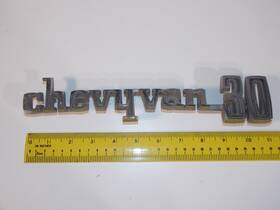
( Brand: Chevrolet ), ( Manufacturer Part Number: 3970873 ), ( Part Type: Emblem ), ( Suitable For: Car ), ( Country Of Origin: United States )
Review CHEVROLET Vtg Chevy Van 30 Car Vehicle Emblem Badge fits 1971–1975
The **Chevrolet 3970873 Vintage Emblem Badge** is a meticulously crafted, high-quality reproduction of the iconic **1971 1975 Chevrolet 30 Series Suburban and Cargo Van** emblem, designed to capture the timeless elegance and rugged charm of these legendary vehicles. This meticulously detailed badge features the classic **chevron-style "30" badge** encased in a bold, chrome-plated ring, evoking the same polished, premium finish found on original factory emblems from the era. The emblem itself is crafted from durable, die-stamped metal, ensuring crisp lines and a sharp, three-dimensional appearance that stands out against any vintage or modern Chevrolet vehicle. The chrome plating is applied with precision, giving it a reflective, mirror-like sheen that mimics the original factory finish, while the central "30" is stamped with a slightly raised, textured surface for added depth and authenticity. Perfect for collectors, restorers, or enthusiasts seeking to honor the heritage of these iconic workhorses, this emblem badge can be mounted on dashboards, hoods, or even as a standalone display piece. Its robust construction and attention to detail make it a must-have accessory for anyone who appreciates the classic American muscle and utility of the Chevrolet 30 Series vans from the early 1970s. Whether installed on a restored 1972 Suburban or displayed alongside a collection of vintage automotive memorabilia, this emblem serves as a proud tribute to an era of bold design and unmatched functionality.
### Pros and Cons of Buying a Vintage Chevrolet 3970873 (1971 1975) G-Van (30 Car Emblem)
---
#### **Pros**
1. **Classic Design and Nostalgia**
The 1971 1975 Chevrolet G-Van (often referred to as the "30 Car Emblem" model due to its distinctive badge) is a beloved classic with a timeless, utilitarian yet stylish aesthetic. Its boxy, functional design appeals to enthusiasts who appreciate mid-century American work vans. The van s presence on the road evokes a sense of nostalgia, making it a conversation starter and a unique addition to any collection.
2. **Reliability and Durability**
Built with solid engineering for commercial and personal use, these vans were designed to last. Many original components such as the engine, transmission, and chassis are robust and can withstand heavy use if properly maintained. The simplicity of their mechanical systems also makes them easier to repair compared to modern vehicles with complex electronics.
3. **Versatility and Customization Potential**
The G-Van s open cargo space and modular design allow for endless customization. Owners can convert it into a camper, workshop, mobile home, or even a retro-themed living space. The availability of aftermarket parts, including suspension upgrades, interior modifications, and engine swaps, further enhances its adaptability.
4. **Strong Community and Support**
The vintage van community is passionate and well-organized, with forums (such as ChevyVan.org, VintageVan.com, or Facebook groups), clubs, and events dedicated to these vehicles. This means access to knowledgeable owners, restoration guides, and parts swaps. Many enthusiasts share tips on maintenance, restoration, and modifications, making it easier to keep the van in top condition.
5. **Lower Operating Costs (Compared to Modern Vehicles)**
While fuel efficiency is not exceptional by today s standards, the cost of fuel, insurance, and maintenance can be lower than that of a modern vehicle, especially if the van is used sparingly. Parts are often cheaper than those for newer cars, and labor costs for basic repairs can be minimal if you re handy or have access to a supportive community.
6. **Potential for Appreciation**
Well-preserved or restored G-Vans, especially those with rare features (e.g., specific trim levels, original paint, or engine options), can appreciate in value over time. Collectors and enthusiasts are willing to pay premium prices for high-quality examples, particularly those with documented histories or unique modifications.
7. **Off-Road and Adventure Capabilities**
With the right modifications (e.g., lifted suspension, heavy-duty axles, or 4x4 conversions), these vans can handle light off-roading or overlanding. Their sturdy construction and high ground clearance (compared to modern cargo vans) make them suitable for rural or rugged environments.
8. **Tax Benefits and Business Use**
If used for business purposes (e.g., as a mobile workshop, delivery vehicle, or work van), the G-Van may qualify for tax deductions related to depreciation, mileage, and operational costs. This can offset some of the higher upfront or maintenance expenses.
---
#### **Cons**
1. **Higher Upfront Cost**
Vintage vans, especially those in good condition or with desirable features, can be expensive to purchase. Prices for well-maintained examples often range from $15,000 to $50,000 or more, depending on rarity, condition, and modifications. This can be a significant investment compared to buying a modern used van.
2. **Maintenance and Repair Costs**
While parts are often affordable, the labor and time required for repairs can be high. Many mechanics are unfamiliar with vintage Chevrolet systems, and specialized knowledge may be needed for tasks like brake jobs, electrical work, or engine overhauls. Owners may need to invest in tools, training, or hire experienced vintage van specialists.
3. **Fuel Efficiency**
The G-Van was not designed for fuel economy. Early models (1971 1973) typically came with V8 engines (e.g., the 305, 350, or 400 cubic inch engines), which consume significantly more fuel than modern diesel or hybrid alternatives. Even later models with smaller engines (e.g., the 250 or 305 inline-six) are not efficient by today s standards. This can lead to higher operating costs, especially for long-distance travel.
4. **Rust and Structural Issues**
Many G-Vans from this era suffer from rust, particularly in the frame, floor pans, and wheel wells. Rust can compromise the van s structural integrity, leading to costly repairs if not addressed early. A thorough inspection (including a lift inspection for hidden rust) is critical before purchasing.
5. **Electrical System Challenges**
The electrical systems in these vans are often outdated and prone to issues. Wiring harnesses may be worn, fuses can blow frequently, and modern electronics (e.g., GPS, Bluetooth, or aftermarket audio) may not be compatible without significant modifications. Rewiring or upgrading the system can be a complex and expensive undertaking.
6. **Safety Concerns**
Modern safety features (e.g., airbags, anti-lock brakes, stability control, and modern crash structures) are absent in these vans. While they may handle well, they lack the passive safety measures that protect occupants in collisions. Additionally, visibility can be limited due to the van s size and design.
7. **Limited Availability of Parts**
While parts are more accessible than for extremely rare vehicles, some components (e.g., specific trim pieces, original interior trim, or rare engine parts) may be difficult to find. This can lead to delays or higher costs if you need to source parts from specialty suppliers or overseas.
8. **Driving Experience**
The G-Van s driving dynamics are different from modern vehicles. The high seat position and limited visibility can make parking and maneuvering in tight spaces challenging. The suspension is often stiff, and the ride can be rough compared to today s cushioned interiors. V8 models, in particular, can be heavy and sluggish, especially at low speeds.
9. **Emissions and Environmental Regulations**
Older vans may not meet modern emissions standards, which could limit their use in certain areas or require modifications (e.g., catalytic converter replacements or exhaust system updates) to comply with local laws.
10. **Insurance Costs**
Vintage vans can be expensive to insure, especially if they are used for personal pleasure rather than business. Insurers may classify them as "classic" or "specialty" vehicles, leading to higher premiums. Additionally, comprehensive coverage may be necessary to protect against theft or damage, further increasing costs.
---
#### **Conclusion**
Buying a 1971 1975 Chevrolet G-Van (30 Car Emblem) is a rewarding but challenging endeavor. The van offers a unique blend of nostalgia, versatility, and mechanical simplicity that appeals to enthusiasts and practical owners alike. Its potential for customization, strong community support, and durability make it a compelling choice for those who appreciate classic American vehicles. However, the higher upfront and maintenance costs, fuel inefficiency, and safety limitations must be carefully considered.
This van is ideal for:- Enthusiasts who enjoy restoring and maintaining classic vehicles.
- Those seeking a versatile, customizable mobile space (e.g., camper, workshop, or mobile home).
- Owners who prioritize character and history over modern convenience.
- Businesses or individuals who can justify the costs through tax benefits or long-term use.
It may not be suitable for:- Buyers seeking fuel efficiency or low operating costs.
- Those who prioritize modern safety and convenience features.
- Individuals without the time, budget, or mechanical skills to handle repairs and maintenance.
- People who need a reliable daily driver for long commutes or urban use.
---
#### **Recommendation**
If you are considering purchasing a 1971 1975 Chevrolet G-Van, follow these steps to maximize your investment and enjoyment:1. **Thoroughly Inspect the Van**
Before buying, have a trusted mechanic or vintage van specialist perform a comprehensive inspection. Pay close attention to rust, engine condition, transmission, suspension, and electrical systems. Request a lift inspection to check for hidden rust in the frame.
2. **Document the Vehicle s History**
Look for a van with a clear service history, original parts, or a restoration log. A documented history can help you avoid "project vans" that require extensive work and can also increase the van s resale value.
3. **Set a Realistic Budget**
Account for the purchase price, immediate repairs, and ongoing maintenance costs. Factor in insurance, fuel, and potential storage fees if you don t have a garage. Aim to budget at least 10 20% more than the purchase price for the first year of ownership.
4. **Join the Vintage Van Community**
Engage with forums, clubs, or social media groups dedicated to Chevrolet G-Vans. Connecting with experienced owners can provide valuable advice, part recommendations, and even potential mentorship for your first restoration or modification project.
5. **Start with a "Good Enough" Van**
If you re new to vintage vans, consider purchasing a van that is already in decent condition rather than a "project" that requires extensive work. This will allow you to enjoy the van sooner and gain experience before tackling more ambitious restorations.
6. **Prioritize Safety and
Details:
It is in good cosmetic condition with some tarnish to the chrome and has pins. This is a Vtg 1971 72 73 74 75 Chevrolet Chevy Van 30 Car Vehicle Emblem Badge 3970873.
part #: 3970873 prices
- $14.95-$84.95
specifications emblico:
- for makes: Chevy, Chevrolet
- for years: 1971-1975
- brand: Chevrolet
- mpn: 3970873
- part type: Emblem
- suitable for: Car
- country of origin: United States
shipping emblico:
- transit: 3-7 Days
- service: USPS Ground Advantage
- class: Standard
- carrier: USPS
- cost: $0.00
- type: Calculated
payments emblico:
- wallet: Apple-pay
- credit card: Diners-club
- other
offer emblico:
- sold: 0
- started: February 4, 2026
- options: Ship-to-home
- availability: In Stock
- best offers: True
- quantity: 1
seller emblico:
- rating: 99.7%
- # reviews: 1067
- city: Longmeadow, Massachusetts
general emblico:
- Car Truck Parts Accessories > Exterior Parts Accessories > Emblems Ornaments
- condition: Used
returns emblico:
- policy: No Returns
Chevrolet 3970873 Is Similar To:
- 10249082 Chevrolet Emblem Grille Chrome (31% similar) Chevrolet impala SS body parts and trim new old stock in factory package - never opened emblem grille chrome bow-tie...(July 21st, 2018)
- 0000000000000012 Reproduction Chevrolet Emblem Script Hood Trunk New Repop Restore Hot (23.5% similar) Not sure what it fits...(October 5th, 2018)
- 002207r01 Plasticolor Chevrolet Chevy Gm 081134122073 (27.9% similar) Universal fit. Here is a new sealed Chevrolet hitch plug yellow. 3 hole brackets mount to all hitches. 25 receivers...(January 13th, 2018)
- 012318d-2018-0032 Chevrolet Impala Front Grill Bowtie Emblem Donk Chevy (29.9% similar) This listing is for a Chevrolet impala front grill bow tie emblem. Item comes just as pictured. Both mounting studs intact...(January 25th, 2019)
- 0346 Gm Chevrolet Grille Emblem Badge Exterior Trim Ornament Chevy Impala (36.2% similar) ...(July 14th, 2018)
- 050718k-2018-0011 Chevrolet Caprice Front Header Panel Emblem Donk (33.8% similar) Please look at pictures closely as item comes just pictured. Item comes just as pictured. This listing is for a 1976 Chevrolet caprice front header panel emblem...(May 14th, 2018)
- 061818p-2018-0008 Chevrolet Boat Tail Buick Riviera Front Grill Emblem Donk (33.1% similar) Studs in good shape. This listing is for a boat tail Buick riviera grill emblem. Item comes just as pictured...(June 21st, 2018)
- 081018g-2018-0020 Chevrolet Impala Front Grill Bowtie Emblem Donk (29.8% similar) Both mounting studs intact. Item comes just as pictured. This listing is for a Chevrolet impala front grill bow tie emblem...(August 12th, 2018)
- 10046792 Chevrolet Beretta Gt Dash Emblem New Original Gm Sharp (33.1% similar) Just the perfect finishing touch for your Beretta gt. Dress up your interior with this sharp-looking dash emblem. All mounting pins intact. All plastic with chromed and red letters...(June 16th, 2018)
- 10047618 Chevrolet Celebrity Front Grille Emblem Gold Bowtie Ornament Euro Oem (37.7% similar) ...(March 4th, 2018)
- 10104390 Chevrolet Caprice Classic Dash Emblem Chrome (38.8% similar) They may still have glue on the backs from being glued to donor car. They do not come with glue or tape to attach them your car. Came off a 1993 caprice classic. Rims on cars can vary within the same year. See pictures. Dates in title are an estimate...(August 14th, 2018)