VOLKSWAGEN 5NA-853-630-A Phev Emblem Badge
fits model: Tiguan. make: Volkswagen. year: 2017–2021.
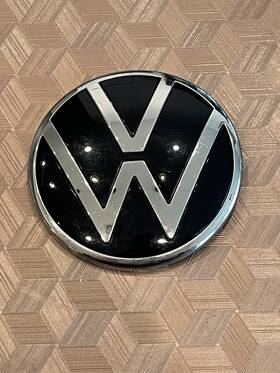
( Manufacturer Part Number: 5NA-853-630-A ), ( Type: Emblem )
Review VOLKSWAGEN Phev Emblem Badge Oem fits TIGUAN 2017–2021
The **Volkswagen 5NA-853-630-A** emblem badge is a meticulously crafted, high-quality replacement part designed exclusively for the **2017 2021 Volkswagen Tiguan Plug-in Hybrid (PHEV)** models, ensuring both authenticity and precision fitment. This emblem, a hallmark of Volkswagen s refined engineering and branding, is crafted from durable, premium-grade materials, typically featuring a polished chrome or matte black finish, depending on the vehicle s trim level. The badge is engineered to match the original equipment manufacturer (OEM) specifications, guaranteeing an exact visual and structural alignment with the factory-installed emblem, whether it s positioned on the rear hatch or the front grille area. Its design is both functional and symbolic, representing the Tiguan s hybrid powertrain while maintaining the brand s signature sleek, modern aesthetic. The emblem s precise cut and seamless installation ensure it blends flawlessly with the vehicle s bodywork, preserving the Tiguan s premium appearance without compromising on quality. Whether replacing a damaged or worn badge or upgrading for a fresh, like-new look, this replacement part is an ideal choice for owners seeking OEM-level accuracy and durability.
### **Pros and Cons of Buying a 2017 2021 Volkswagen Tiguan PHEV (5NA-853-630-A, Emblem Badge)**
#### **Pros**
1. **Hybrid Efficiency and Fuel Savings**
The Tiguan PHEV combines a gasoline engine with an electric motor, allowing for extended electric-only range (typically 31 miles on the 2017 2019 models and 34 miles on the 2020 2021 models). This reduces reliance on gasoline, lowering fuel costs, especially for short commutes or city driving. In electric mode, it produces zero tailpipe emissions, which can be beneficial in low-emission zones.
2. **Strong Performance and Driving Dynamics**
The PHEV version retains the same 2.0L turbocharged engine (180 hp) as the non-hybrid Tiguan but benefits from electric assist, providing smoother acceleration and better towing capacity (up to 3,500 lbs in some configurations). The dual-clutch DSG transmission (7-speed) offers quick, precise gear shifts, enhancing the driving experience.
3. **Spacious and Practical Interior**
The Tiguan is known for its roomy cabin, with ample legroom and cargo space (up to 60.3 cu. ft. when seats are folded). The PHEV version does not sacrifice interior quality or features compared to the standard Tiguan, offering comfortable seating, good sound insulation, and a user-friendly infotainment system (with optional touchscreen and wireless Apple CarPlay/Android Auto).
4. **Reliability of Volkswagen s Hybrid System**
Volkswagen s PHEV system in the Tiguan is generally reliable, with fewer reported issues compared to some other hybrid models. The battery and electric components are designed to last the vehicle s lifespan, though proper maintenance is still essential. The 2017 2021 models benefited from early refinements in the hybrid drivetrain, reducing early adopter teething problems.
5. **Resale Value and Brand Prestige**
The Tiguan, especially the PHEV variant, holds its value reasonably well compared to other SUVs in its class. The "Emblem Badge" suggests a slightly higher trim level, which may include additional features like 18-inch wheels, premium upholstery, or a sunroof. Volkswagen s brand recognition and dealer network also provide ease of servicing and parts availability.
6. **Environmental Appeal**
For environmentally conscious buyers, the PHEV offers a compromise between a traditional gasoline vehicle and a full electric car. It reduces carbon emissions compared to a non-hybrid SUV, making it a more sustainable choice for those who cannot yet commit to a full EV.
7. **Versatility for Urban and Highway Use**
The PHEV excels in stop-and-go traffic (using electric power) while maintaining highway performance. This dual capability makes it ideal for drivers who split their time between city and highway driving, maximizing efficiency without sacrificing range.
---
#### **Cons**
1. **Higher Upfront Cost**
The Tiguan PHEV is significantly more expensive than the standard gasoline version, with prices ranging from **$35,000 to $45,000 ** depending on the trim and year. This can be a barrier for budget-conscious buyers, though long-term fuel savings may offset the initial investment over time.
2. **Limited Electric Range in Real-World Conditions**
While the EPA-rated electric range is 31 34 miles, real-world range is often lower due to factors like cold weather, aggressive driving, or carrying heavy loads. If you rely heavily on electric-only driving, you may need to plan charging stops more frequently than the EPA estimates suggest.
3. **Charging Infrastructure and Convenience**
Unlike plug-in hybrids from some competitors (e.g., Toyota or Ford), the Tiguan PHEV does not come with a home charging cable or adapter in all configurations. Buyers must purchase these separately (costing around $200 $400), which can be an inconvenient additional expense. Public charging stations are also less common than for full EVs, though they are becoming more widespread.
4. **Maintenance and Repair Costs**
While the hybrid system is reliable, repairs can be more expensive than those for a conventional vehicle. The high-voltage battery, electric motor, and hybrid-specific components require specialized technicians, which may increase labor costs. Additionally, the DSG transmission has had some reliability concerns in other Volkswagen models, though the Tiguan s version appears to be well-built.
5. **Battery Degradation Over Time**
Like all lithium-ion batteries, the PHEV battery will degrade over time and with usage. While Volkswagen offers an **8-year/100,000-mile battery warranty** (extended to 10 years/150,000 miles in some regions), the battery may still lose capacity after 100,000 150,000 miles, reducing the electric range. Replacing a hybrid battery can cost **$3,000 $6,000**, depending on the model.
6. **Weight and Fuel Economy Trade-offs**
The PHEV is heavier than a standard Tiguan due to the battery and hybrid components, which can slightly reduce overall fuel economy in gasoline mode compared to a lightweight non-hybrid SUV. However, the trade-off is still favorable for drivers who prioritize electric range.
7. **Dealer Markups and Financing Challenges**
PHEVs often come with higher interest rates from dealers due to their perceived higher risk. Additionally, some dealers may mark up the price of PHEVs to reflect the higher demand, so it s important to shop around and compare offers. Leasing a PHEV can also be more expensive than leasing a conventional vehicle.
8. **Limited Availability and Longer Wait Times**
Due to high demand and production constraints, PHEVs like the Tiguan may have longer wait times or limited inventory at dealerships. Buyers may need to order the vehicle or wait several weeks for delivery, which can be frustrating.
9. **Potential for Overuse of Gasoline Mode**
Some drivers accidentally rely too much on gasoline mode, negating the benefits of the PHEV. If the battery is not charged regularly, the vehicle effectively becomes a standard SUV, losing its efficiency advantage. This requires discipline in charging habits.
10. **Resale Value Depends on Battery Health**
When selling or trading in a used Tiguan PHEV, the resale value will heavily depend on the remaining electric range and battery health. A PHEV with a degraded battery will fetch significantly less than one with a fully functional hybrid system.
---
### **Conclusion**
The **2017 2021 Volkswagen Tiguan PHEV (5NA-853-630-A, Emblem Badge)** is an attractive option for buyers who want a **fuel-efficient, versatile SUV with hybrid capabilities** but are willing to pay a premium upfront. It excels in **urban driving, environmental friendliness, and practicality**, while offering strong performance and a comfortable ride. However, the **higher cost, charging inconveniences, and potential long-term maintenance expenses** must be carefully considered.
This vehicle is best suited for:- **City dwellers** who frequently drive short distances and can charge at home or work.
- **Eco-conscious buyers** who want to reduce emissions without fully committing to an EV.
- **Families or commuters** who need space and reliability but benefit from hybrid efficiency.
- **Drivers who can afford the upfront cost** and are willing to maintain the hybrid system properly.
For those who **prioritize maximum electric range, lower operating costs, or plan to drive mostly on highways**, a **full electric vehicle (EV) or a more fuel-efficient non-hybrid SUV** might be a better fit. Additionally, if **reliability and low maintenance costs** are top concerns, a **Toyota RAV4 Prime or Ford Escape PHEV** could be worth evaluating as alternatives.
### **Recommendation**
If you **can justify the higher purchase price and are committed to charging the vehicle regularly**, the **2017 2021 Tiguan PHEV Emblem Badge** is a solid choice, especially if you prioritize **space, comfort, and hybrid efficiency**. To maximize value:
- **Buy from a reputable dealer** with a strong warranty and service history.
- **Check the battery health** (if buying used) to ensure it retains at least 70 80% of its original capacity.
- **Plan charging logistics** (home charger, public stations, or workplace charging if available).
- **Budget for potential maintenance** beyond standard vehicle upkeep.
For buyers on a tighter budget or those who want **lower long-term costs**, a **used non-hybrid Tiguan or a more affordable PHEV alternative** (like a Toyota RAV4 Hybrid) may be preferable. Ultimately, the Tiguan PHEV is ideal for those who want **the best of both worlds gasoline convenience and electric efficiency without the limitations of a full EV.**
Details:
Emblem is genuine Volkswagen OEM part. Emblem has some small scratches from normal use but in overall great condition. I have added 3M adhesive tape. Selling at a very reasonable price with free shipping.
part #: 5na853630 prices
- $29.95-$79.00
specifications emblico:
- for models: Tiguan
- for makes: Volkswagen
- for years: 2017-2021
- mpn: 5na-853-630-a
- type: Emblem
seller emblico:
- rating: 100.0%
- # reviews: 1015
- city: Santa Fe, Texas
offer emblico:
- quantity: 1
- options: Ship-to-home
- started: June 3, 2026
- availability: In Stock
- sold: 0
shipping emblico:
- carrier: USPS
- cost: $0.00
- class: Standard
- service: USPS Ground Advantage
- type: Calculated
- transit: 3-7 Days
returns emblico:
- policy: Returns Accepted
- paid by: Buyer
- time: 30 Days
general emblico:
- Car Truck Parts Accessories > Exterior Parts Accessories > Emblems Ornaments
- condition: Used
payments emblico:
- wallet: Apple-pay
- credit card: Mastercard
- other
Volkswagen 5NA-853-630 Is Similar To:
- 113 853601b Volkswagen Volkswagon-beetle-vw-bonnet Badge (38% similar) 25 sold as is, what you see on photos will get thank for looking. Vintage Volkswagen-beetle-VW-bonnet badge emblem part number 113853601B slug bug Germany in silver color, sold as is, please see all photos for best...(December 29th, 2017)
- 113853601a German Emblem Front Hood Vw Prong Fits Volkswagen Bug (20.2% similar) Comes with 3 retaining clips: VW number clips are usually white clear color but can be black free shipping within contiguous us states. VW number 601A diameter 800 millimeters, tab with white plastic insert on underside...(June 17th, 2018)
- 175.853.687 Volkswagen Oem Vw Rabbit (27.7% similar) Please see pictures...(November 4th, 2017)
- 185853679g Volkswagen Jetta Gli Badge Emblem Front Grill Genuine (40.3% similar) Genuine Gil 16V front grille badge. Excellent used condition. As pictured...(September 18th, 2018)
- 191 853 601 Cav1 Vw Vintage Volkswagen Front Grill Emblem Oem Part (38.2% similar) 75 inches across. 1980 S VW grill emblem part CAV1 original plastic chrome logo in good condition has layer of patina measures...(May 9th, 2018)
- 191853687b Volkswagen Vw Golf Gl Rear Badge Emblem Oem (43.7% similar) If your looking for a specific part and do not see it within our listing. Also take a look at our Facebook page curbside euro...(September 19th, 2018)
- 1c0-853-630-c-wv9 Volkswagen Genuine Oem Brand (30.6% similar) ...(June 21st, 2017)
- 1hm853675 Volkswagen Jetta Gl Black Trunk Emblem Badge Oem Symbol Logo (50.4% similar) ...(July 30th, 2018)
- 1j5 853 601a Volkswagen Oem Vw Jetta Front Grill Emblem (36.7% similar) Volkswagen Etta front grill emblem...(January 14th, 2019)
- 1j583601ulm 1j853601-a Volkswagen Jetta Front Grille Emblem Logo Badge Oem Genuine (44.9% similar) Please match our part number with your original one. If the item was damaged on return shipping due to poor packaging, is not accepted. There is a product inspection with third party upon receiving the item. Please ship the item back in its original package...(January 31st, 2019)
- 1k0853688f739 Genuine Volkswagen Audi Vw Exclusive Badge (38% similar) Peel and stick, measures roughly by 5/8 please for any fitment questions. If you would like to request a quote have this product shipped outside of the contiguous us, please. Genuine VW Audi - exclusive badge 1K0853688F739 mfg: straight out of the European parts catalog is this very unique emblem. ...(September 13th, 2018)