FORD Script Fender Emblem Badge C7AB-16098-C
fits make: Ford. year: 1967.
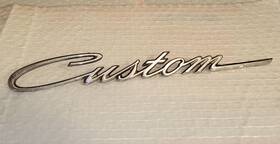
( Manufacturer Part Number: 7AB-16098-C ), ( Type: Emblem ), ( Color: Silver ), ( Attachment Type: Bolt-on ), ( Features: Customized ), ( Universal Fitment: No ), ( Vintage Part: Yes ), ( Finish: Chrome ), ( Suitable For: Car )
Review FORD 7ab-16098-c Vintage Inch Custom Script Fender Emblem Badge Chrome Oem fits 1967
The **Ford 7AB-16098-C (C7AB-16098-C) 1967 Script Fender Emblem Badge** is a meticulously crafted, high-quality reproduction of the iconic script-style fender emblem that adorned the front fenders of Ford s legendary Fairlane, Thunderbird, and other muscle and luxury models from the mid-1960s. This particular badge is designed to replicate the original 1967 version, which featured Ford s signature cursive script logo *"Ford"* elegantly arched in a flowing, vintage serif font flanked by the iconic "F" script on either side, all set against a polished chrome finish. The emblem is crafted from durable, die-stamped metal, ensuring a sturdy and authentic look that matches the precision engineering of the original. The design captures the bold, confident aesthetic of the era, with clean lines and a slightly raised, three-dimensional effect that gives it a premium, museum-quality appearance. Perfect for collectors, customizers, or enthusiasts seeking to restore or enhance the classic Ford look of the late 1960s, this badge is an essential accessory for any vintage Ford aficionado. Its chrome finish not only adds a touch of luxury but also ensures it will withstand the test of time, maintaining its shine and integrity for years to come. Whether installed on a restored 1967 Fairlane, a Thunderbird, or even a modern vehicle as a nod to automotive history, this emblem serves as a timeless tribute to Ford s golden age of design.
### **Pros and Cons of Buying a 1967 Ford F-100 (7AB-16098-C) with a Script Fender Emblem and C7AB-16098-C Trim**
#### **Pros**
1. **Classic American Muscle Truck Appeal**
The 1967 Ford F-100 is a well-regarded model from the golden era of American trucks, known for its boxy, aggressive styling and strong performance. The Script Fender emblem and C7AB trim package indicate a higher-end, more customized build, which adds to its collectible and aesthetic value.
2. **Strong Engine Options**
The 7AB-16098-C designation suggests a **390 cubic inch (6.4L) Cleveland V8 engine**, which was a popular choice in 1967. This engine was known for its smooth power delivery, durability, and ability to handle heavy loads. With proper maintenance, it can still provide reliable performance today.
3. **Proven Reliability (When Well-Maintained)**
Ford s V8 engines from this era, especially the Cleveland-based designs, are generally robust if they have been cared for. Many of these trucks were built to last, and with a solid engine, transmission, and drivetrain, they can be dependable daily drivers or weekend warriors.
4. **Aftermarket and Restoration Potential**
The 1967 F-100 has a strong following among classic truck enthusiasts. Parts are available, and restoration projects are common, meaning you can customize or restore it to original or modified specifications. The Script Fender and C7AB trim make it a more desirable project for those who appreciate vintage styling.
5. **Potential for Appreciation**
As a rare and well-preserved example of a mid- 60s Ford truck, this model could appreciate in value over time, especially if it remains in excellent condition. The Script Fender emblem and C7AB trim are not as common as standard F-100s, adding to its collectible nature.
6. **Unique Styling and Customization**
The Script Fender emblem (a custom or aftermarket addition) and the C7AB trim (which may include features like a chrome grille, special badging, and possibly a unique interior) give this truck a distinct look. If you enjoy classic styling with a touch of customization, this could be a standout vehicle.
7. **Potential for Off-Road or Hauling Use**
While not originally designed for extreme off-roading, the F-100 s sturdy frame and V8 power make it capable of handling light off-road use or heavy-duty hauling if properly modified. Some owners convert these trucks into rugged, functional machines.
---
#### **Cons**
1. **High Maintenance Costs**
Classic trucks from this era require **regular and often expensive maintenance**. Rust, worn suspension components, outdated electrical systems, and aging drivetrain parts (such as universal joints, axles, and transmissions) can lead to significant repair bills. If the truck has not been well-maintained, the costs could be prohibitive.
2. **Rust and Structural Issues**
Many 1960s Ford trucks suffer from **rust**, particularly in the frame, floor pans, and wheel wells. A thorough inspection is essential to ensure the truck is not structurally compromised. Rust repairs can be labor-intensive and costly.
3. **Outdated Safety Features**
The 1967 F-100 lacks modern safety features such as **airbags, anti-lock brakes (ABS), stability control, or modern seat belts**. Driving one today may feel less safe compared to contemporary vehicles, especially on highways or in heavy traffic.
4. **Fuel Efficiency and Modern Standards**
The 390 V8 engine is **thirsty for fuel** expect poor mileage compared to modern trucks. Additionally, emissions regulations mean that modifications (such as installing a modern catalytic converter or EFI system) may be necessary to keep the truck legal in some areas.
5. **Limited Comfort and Convenience**
Interior features are basic by today s standards **no power windows, air conditioning, cruise control, or modern infotainment**. Long drives or daily use may be less comfortable than in a modern truck.
6. **Insurance and Registration Costs**
Classic trucks often carry **higher insurance premiums** due to their value and potential repair costs. Additionally, some states have **special registration fees** for vintage vehicles, which can add to the ownership expense.
7. **Driving Experience Differences**
The **manual transmission** (if equipped) or the **heavy, manual controls** of a 1967 truck can be less intuitive for modern drivers. The lack of power steering and modern suspension tuning may also make handling less smooth than in contemporary trucks.
8. **Parts Availability and Scarcity**
While parts exist for classic Fords, some components (especially for the C7AB trim or Script Fender modifications) may be **harder to find**. This could lead to delays or higher costs if restoration or repairs are needed.
9. **Potential for Hidden Problems**
Without a **detailed service history**, it s difficult to know the true condition of the engine, transmission, or drivetrain. Common issues include **leaking seals, worn bearings, or transmission failures**, which could require expensive repairs.
10. **Resale Value Uncertainty**
While some classic trucks appreciate, others depreciate quickly if they are not well-maintained or if the market shifts. If you plan to sell later, the resale value depends heavily on **condition, rarity, and demand**.
---
### **Conclusion**
Buying a **1967 Ford F-100 (7AB-16098-C) with a Script Fender emblem and C7AB trim** is a **passionate purchase** for enthusiasts who appreciate classic American muscle trucks. It offers **strong engine potential, unique styling, and restoration opportunities**, but it also comes with **high maintenance costs, rust concerns, and outdated safety features**.
This truck is **best suited for:**- **Enthusiasts who enjoy restoring or modifying classic vehicles.**
- **Owners who prioritize aesthetics and nostalgia over modern convenience.**
- **Those with mechanical skills or access to experienced mechanics.**
- **Individuals who plan to use it occasionally (e.g., weekend projects, shows, or light hauling).**
It is **not ideal for:**- **Daily drivers who need reliability, safety, and fuel efficiency.**
- **Budget-conscious buyers who cannot afford unexpected repairs.**
- **Those who prefer modern comforts and technology.**
---
### **Recommendation**
If you are **serious about this purchase**, follow these steps to minimize risks:1. **Get a Professional Inspection**
Have a **trusted classic truck mechanic** thoroughly inspect the engine, transmission, drivetrain, frame, and suspension. Look for **rust, leaks, and wear** especially in critical areas like the frame rails and axle housings.
2. **Verify the Engine and Transmission**
Ensure the **390 V8 is in good condition** check for **compression, valve train wear, and oil leaks**. If the transmission is automatic, verify its **fluid condition and synchro wear**. A manual transmission should be checked for **gear wear and clutch health**.
3. **Check for Rust and Structural Soundness**
Inspect the **floor pans, wheel wells, and frame** for rust. If rust is present, factor in **repair costs** before buying.
4. **Review Service History**
A **detailed service record** (especially for oil changes, timing belt, and major repairs) is a **huge plus**. Without one, be prepared for potential hidden issues.
5. **Budget for Restoration**
If the truck needs work, **estimate repair costs realistically**. Some buyers underestimate how much a classic truck can cost to bring back to running condition.
6. **Consider a Lower-Mileage Example**
If possible, look for a **lower-mileage F-100** (under 50,000 miles) with a **clean title** to reduce risks.
7. **Decide on Usage**
- If you want a **project truck**, enjoy the process and budget accordingly.
- If you want a **daily driver**, consider a **modern classic truck** (e.g., a restored 1970s F-150) that balances nostalgia with reliability.
8. **Negotiate Price Based on Condition**
Factor in **repair costs** when negotiating. A well-documented, low-mileage example with a good engine should command a **premium**, while a high-mileage or rusty example should be bought at a **discount**.
---
### **Final Verdict**
This **1967 Ford F-100 with Script Fender and C7AB trim** is a **fantastic choice for the right buyer** someone who values **classic American muscle, restoration potential, and unique styling** over modern convenience. However, it is **not a simple purchase**, and buyers must be prepared for **higher costs, maintenance, and a less comfortable driving experience**.
If you are **passionate about classic trucks, have mechanical skills, and can afford the upkeep**, this could be an **exciting and rewarding** addition to your collection. If you prioritize **reliability, safety, and low maintenance**, consider a **modern classic truck or a well-restored example** instead.
Details:
Vintage 1967 Ford Custom Script Fender Emblem Badge Chrome OEM C7AB-16098-C As shown in pictures.
part #: 7ab16098 prices
- $29.95-$116.20
specifications emblico:
- for makes: Ford
- for years: 1967
- mpn: 7ab-16098-c
- type: Emblem
- color: Silver
- attachment type: Bolt-on
- features: Customized
- universal fitment: No
- vintage part: Yes
- finish: Chrome
- suitable for: Car
seller emblico:
- rating: 100.0%
- # reviews: 91
- city: Columbia, South Carolina
offer emblico:
- started: May 24, 2026
- availability: In Stock
- best offers: True
- options: Ship-to-home
- quantity: 1
- sold: 0
returns emblico:
- policy: No Returns
shipping emblico:
- transit: 5-11 Days
- service: USPS Ground Advantage
- class: Standard
- type: Calculated
- cost: $11.95
- carrier: USPS
payments emblico:
- wallet: Google-pay
- credit card: Mastercard
- other
general emblico:
- condition: Used
- Car Truck Parts Accessories > Exterior Parts Accessories > Emblems Ornaments
Ford 7AB-16098 Is Similar To:
- 020337142fd Emblemz Ford Chroma Chrome Shipping (28.8% similar) Brand new in original packaging...(August 9th, 2018)
- 09zb-16098-a Ford Mustang Origional Emblem (37.3% similar) It is the original emblem. This emblem is from a 1972 ford mustang. I personally took it off the car. No gimmicks...(August 21st, 2018)
- 1-37b-16b114-ba Ford Ranger Xlt Fender Emblems Oem Pn (41.4% similar) Used condition, with one of the emblems missing two attachment posts see photos. 2 ford ranger XLT fender emblems - oem pn: 1-37B-16B114-BA. From a 1995 ford ranger...(July 15th, 2018)
- 10625 Rh Lh Ford Two Fairlane Side Fender Emblem Badge Oem (46.7% similar) Items shipped economy, media, or parcel post can take 2-6 weeks for delivery no reserve. You get exactly what is pictured. Item being sold as is...(June 8th, 2019)
- 1238 Ppi Powered By Ford Emblem Set Mustang Shelby Boss Mach (22.4% similar) 2-WAY 3m automotive tape is included making installation a 2 second proposition. Free domestic shipping on these emblems. They look great on fenders, deck lids, dashboards, etc. Buy more than one set...(June 19th, 2018)
- 16b114a Oem Ford F-250 Harley (18.2% similar) 1 ford F-250 Harley Davidson oem fender emblem 16B114A is new, right hand side, some real light scratches. Small mark on front note photos. 50 anywhere in the USA only. Shipping handling...(August 1st, 2017)
- 18983 Fomoco Ford Truck Emblem Original Keeler Brass (22.2% similar) ...(December 5th, 2018)
- 196871471 Pt Hot Abs Plastic Rear Tailgate Emblem Inserts For Ford (26.6% similar) Please remove the protective film after installation. Not the cheap vinyl sticker package includes: 1 set inserts come with adhesive on its back. Never fade weather proof self adhesive material: abs plastic. Exactly as the pictures show...(September 14th, 2018)
- 196970frdltdrearinsrt Ford Ltd Rear Panel Emblem New Nice (26.8% similar) Unfortunately, it is a very delicate procedure getting the paper off without ripping or leaving half of on emblem. This was what some manufacturers used in the late 60S and early 70'S. Fits in the trim between taillights on passenger side. Has original laminated-paper like tape. A brand new, nos ...(June 2nd, 2018)
- 1973-1977 Ford Fender Emblem Genuine Oem Badge Sign Symbol Logo (36.1% similar) 1 used genuine oem emblem fits ford F250SOME wear, no damages...(March 15th, 2018)
- 1c3z-16720-ba Ford Nos Oem F250 (19.5% similar) 1C3Z application: ford F-250 super duty platinum edition 250 lariat emblem is chrome over silver. Ford part no. Nos oem F250 platinum edition 250 lariat super duty nameplate emblem 2001 new old stock ford part in original packaging. This emblem has adhesive on the rear as well two positioning ...(March 21st, 2017)