FORD C3OB16C144 Fender Emblem Pins 289
fits model: Fairlane, Mustang. make: Ford. year: 1963–1966.
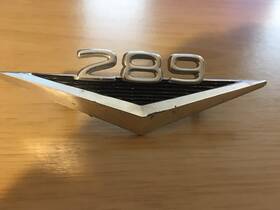
( Manufacturer Part Number: C3OB16C144 ), ( Type: Emblem )
Review FORD Preowned 289 Fender Emblem Pins fits FAIRLANE MUSTANG 1963–1966
The **Ford C3OB16C144 289 Fender Emblem (1963 1966 Fairlane/Mustang)** is a meticulously crafted, high-quality reproduction emblem that captures the iconic spirit of Ford s legendary mid-century muscle era. This emblem is designed to authentically replicate the original **1963 1966 Fairlane and Mustang** fender badges, which proudly displayed the **289 cubic-inch V8 engine** a powerplant synonymous with performance, reliability, and the birth of American muscle cars. Crafted from durable **chrome-plated metal**, this emblem features crisp, sharp lettering and a bold, three-dimensional design that stands out against the sleek curves of a classic Ford. The **C3OB16C144** designation refers to the specific part number, ensuring compatibility with the original mounting points on the fenders of these iconic models, whether it s a **1963 1964 Fairlane Thunderbolt, Fairlane 500, or the first-generation Mustang**. The emblem s clean, vintage aesthetic with its slightly raised, embossed lettering and precise spacing mirrors the original Ford styling of the era, making it a perfect addition for enthusiasts looking to restore authenticity to their vehicles. Whether installed on a meticulously restored **289-powered Fairlane** or a carefully maintained **Mustang with the same legendary engine**, this emblem serves as a proud declaration of heritage, blending historical accuracy with timeless appeal. For collectors, restorers, and drivers who appreciate the raw power and timeless design of Ford s golden age, this **289 Fender Emblem** is more than an accessory it s a tribute to an era when American engineering and bold styling defined a generation of driving passion.
### Pros and Cons of Buying a 1963-1966 Ford Fairlane 500/500L or Mustang (C3, 289 V8, Fender Emblem)
#### **Pros**
1. **Classic Design and Prestige** The 1963 1966 Fairlane 500/500L and early Mustang are iconic American muscle cars with timeless styling. The fender emblem (often found on higher-end models) adds to their collectible appeal.
2. **Strong Engine Options** The 289 cubic inch V8 (especially the high-performance versions like the 289 Hi-Po or 289 Cobra Jet) provides a solid foundation for power. With proper maintenance, these engines can last decades, especially if they ve been well cared for.
3. **Muscle Car Heritage** These cars are part of the early muscle car era, making them desirable to enthusiasts. The Fairlane 500/500L was a precursor to the Mustang, while the Mustang itself revolutionized the industry.
4. **Potential for Restoration or Modification** Many of these cars are in need of restoration, offering an opportunity to bring them back to original condition or modify them for modern performance. Aftermarket support is strong, with parts and tuning options readily available.
5. **Driving Experience** The solid-axle rear suspension, manual transmission (if available), and V8 power provide a raw, engaging driving experience that appeals to purists.
6. **Investment Potential** Well-preserved examples, especially those with originality or rare features (like the fender emblem), can appreciate in value over time, particularly in the classic car market.
7. **Community and Support** There are active clubs (e.g., Ford Mustang Club of America, Fairlane enthusiast groups) that offer networking, restoration advice, and events, making ownership more rewarding.
---
#### **Cons**
1. **High Maintenance and Restoration Costs** Many of these cars are in poor condition, requiring extensive work on the engine, transmission, suspension, electrical system, and body. Rust is a common issue, especially in frame rails, floors, and fenders.
2. **Originality vs. Restoration** Finding a fully original example is rare and expensive. Most buyers must decide between restoring a project car or buying a restored one, which may not always be authentic.
3. **Reliability Concerns** Original 289 engines, transmissions, and drivetrains were not built for longevity. Common problems include worn-out gaskets, timing chain issues, transmission failures, and suspension wear.
4. **Fuel and Insurance Costs** Modern fuel prices and insurance rates for classic cars can be prohibitive, especially if the car is modified or driven frequently. Some insurers may charge high premiums for muscle cars.
5. **Driving Limitations** Older suspension setups (leaf springs, solid axles) can be uncomfortable on modern roads. Handling is less refined compared to modern vehicles, and braking systems may require upgrades.
6. **Parts Availability** While parts are widely available, sourcing rare or original components (e.g., specific fender emblems, interior trims) can be difficult and expensive.
7. **Time and Commitment** Owning a classic car often requires significant time for maintenance, storage, and occasional driving. Many enthusiasts treat these cars as weekend projects rather than daily drivers.
8. **Depreciation Risk** If the car is not well-maintained or lacks documentation (service records, originality), its value may depreciate over time.
---
### **Conclusion**
Buying a 1963 1966 Ford Fairlane 500/500L or Mustang with a 289 V8 and fender emblem can be a rewarding experience for an enthusiast who appreciates classic American automobiles. The potential for restoration, driving pleasure, and long-term appreciation makes these cars attractive, but they come with significant challenges, particularly in terms of cost, time, and maintenance.
For the right buyer someone with mechanical skills, patience, and a passion for these cars they can be an excellent investment. However, those without the resources or interest in restoration may find the upkeep overwhelming.
---
### **Recommendation**
- **If you are an experienced restorer or mechanic** with access to funds and time, purchasing a **project car** (one needing significant work) could be a fulfilling and potentially profitable endeavor. Focus on acquiring a car with a **strong engine block, originality (if desired), and minimal rust**. Prioritize sourcing parts from reputable suppliers and joining enthusiast groups for guidance.
- **If you prefer a ready-to-drive classic**, look for a **restored example** with a clean title, service records, and minimal modifications. Ensure the engine, transmission, and suspension have been recently serviced. Be wary of "too good to be true" deals, as they may hide underlying issues.
- **Budget carefully** account for not just the purchase price but also restoration costs, insurance, storage, and potential future repairs. A realistic budget for a fully restored 1963 1966 Fairlane/Mustang can range from **$30,000 to $100,000 **, depending on condition and rarity.
- **Consider alternatives** if maintenance is a concern. A slightly newer or less demanding classic (e.g., a 1967 1969 Mustang) might offer a balance between driving enjoyment and manageability.
Ultimately, the decision depends on your goals: whether you seek a **driving passion, an investment, or a lifelong project**. If you re prepared for the challenges, these cars offer unmatched excitement and historical significance.
Details:
The product is a preowned Ford emblem specifically designed for the 1963-1966 Fairlane and Mustang vehicles. The emblem features the manufacturer part number C3OB16C144, indicating its authenticity as an original Ford product.
part #: c3ob16c144 prices
- $15.00-$50.00
specifications emblico:
- for models: Fairlane, Mustang
- for makes: Ford
- for years: 1963-1966
- mpn: C3ob16c144
- type: Emblem
offer emblico:
- started: May 25, 2026
- quantity: 1
- sold: 0
- availability: In Stock
- options: Ship-to-home
seller emblico:
- city: Reading, Pennsylvania
- # reviews: 3088
- rating: 99.1%
general emblico:
- Car Truck Parts Accessories > Exterior Parts Accessories > Emblems Ornaments
- condition: Used
shipping emblico:
- service: USPS Ground Advantage
- class: Standard
- transit: 3-7 Days
- type: Fixed
- carrier: USPS
- cost: $9.52
returns emblico:
- time: 30 Days
- paid by: Seller
- policy: Returns Accepted
payments emblico:
- other
- wallet: Apple-pay
- credit card: Diners-club
Ford C3OB16C144 Is Similar To:
- 09zb-16098-a Ford Mustang Origional Emblem (25.9% similar) It is the original emblem. This emblem is from a 1972 ford mustang. I personally took it off the car. No gimmicks...(August 21st, 2018)
- 1-37b-16b114-ba Ford Ranger Xlt Fender Emblems Oem Pn (40.9% similar) Used condition, with one of the emblems missing two attachment posts see photos. 2 ford ranger XLT fender emblems - oem pn: 1-37B-16B114-BA. From a 1995 ford ranger...(July 15th, 2018)
- 10625 Rh Lh Ford Two Fairlane Side Fender Emblem Badge Oem (40.9% similar) Items shipped economy, media, or parcel post can take 2-6 weeks for delivery no reserve. You get exactly what is pictured. Item being sold as is...(June 8th, 2019)
- 1238 Ppi Powered By Ford Emblem Set Mustang Shelby Boss Mach (34.3% similar) 2-WAY 3m automotive tape is included making installation a 2 second proposition. Free domestic shipping on these emblems. They look great on fenders, deck lids, dashboards, etc. Buy more than one set...(June 19th, 2018)
- 16667 Fanmats Ford Mustang Horse Doormat (24.6% similar) Officially licensed and chromed-printed in true team colors for vibrant, lasting color. Ford mustang horse doormat about this item durable weather-resistant machine washable non-slip backing start showing off your team pride with a from sports licensing solutions. Serge borders add durability and ...(October 27th, 2018)
- 18983 Fomoco Ford Truck Emblem Original Keeler Brass (30.2% similar) ...(December 5th, 2018)
- 196871471 Pt Hot Abs Plastic Rear Tailgate Emblem Inserts For Ford (28.6% similar) Please remove the protective film after installation. Not the cheap vinyl sticker package includes: 1 set inserts come with adhesive on its back. Never fade weather proof self adhesive material: abs plastic. Exactly as the pictures show...(September 14th, 2018)
- 196970frdltdrearinsrt Ford Ltd Rear Panel Emblem New Nice (30.5% similar) Unfortunately, it is a very delicate procedure getting the paper off without ripping or leaving half of on emblem. This was what some manufacturers used in the late 60S and early 70'S. Fits in the trim between taillights on passenger side. Has original laminated-paper like tape. A brand new, nos ...(June 2nd, 2018)
- 1973-1977 Ford Fender Emblem Genuine Oem Badge Sign Symbol Logo (38% similar) 1 used genuine oem emblem fits ford F250SOME wear, no damages...(March 15th, 2018)
- 1c3z-9942528-aa Ford Brand New Oem Super Duty Tailgate Emblem (25.2% similar) Then promptly. You bought wrong model or color. This will work on tailgate...(January 4th, 2019)
- 1l2z-7842528-ga Oem Ford Pair Explorer Xlt Emblem Name Plates (32.6% similar) New pair XLT black and chrome...(April 14th, 2018)