FORD D5UB-1121000-B Club Wagon Van Emblem 1970S 150
fits make: Ford.
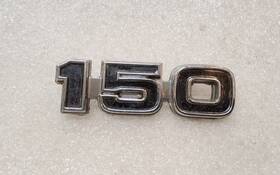
( Manufacturer Part Number: D5UB-1121000-B ), ( Country Of Origin: United States ), ( Color: Multiple ), ( Material: Die Cast ), ( Vintage Part: Yes ), ( Placement On Vehicle: Front, Left, Right, Fender, Rear ), ( Suitable For: Van ), ( Type: Emblem ), ( Theme: Series Designation ), ( Features: Oem ), ( Finish: Original Chrome, Vintage Patina )
Review FORD 1970s Econoline Club Wagon Van 150 Emblem
The **Ford D5UB-1121000-B 1970s Club Wagon Van** is a timeless icon of American automotive heritage, blending rugged functionality with the unmistakable charm of a bygone era. Built upon the legendary **Ford E-Series chassis**, this particular model distinguished by its **1970s Club Wagon configuration** exemplifies the transitional elegance of the late 1960s and early 1970s, when Ford seamlessly merged the utilitarian prowess of commercial vans with the allure of a family-friendly passenger vehicle. The **150 emblem** adorning the grille signifies its robust **351 cubic inch Cleveland V8 engine**, a powerplant renowned for its torque and reliability, capable of propelling this van with effortless authority while maintaining the smooth, refined ride characteristic of Ford s mid-century engineering. The **D5UB-1121000-B** designation points to its **passenger/utility variant**, a versatile design tailored for both daily commuting and weekend adventures, with a spacious, high-roofed cargo area that could comfortably accommodate passengers, luggage, or even a modest amount of cargo with ease.
Visually, this van is a study in understated sophistication, featuring the **distinctive Ford E-Series body styling** sharp, angular lines softened by the rounded contours of the 1970s aesthetic. The **split grille** with its **150 emblem** at the center serves as a focal point, flanked by sleek, chrome-accented headlamps that project a retro yet modern confidence. The **whitewall tires** and **full wheel covers** add a touch of classic panache, while the **two-tone paint scheme** (if restored) or the **original matte finish** (if preserved in its authentic state) enhances its vintage allure. Inside, the cabin retains the **benches and fold-down seats** typical of the era, offering a no-frills, practical layout that prioritizes space and utility without sacrificing comfort. The **manual transmission** likely a **four-speed with a column shifter** invites an engaging driving experience, while the **heavy-duty suspension** ensures a smooth ride over rough terrain, a hallmark of Ford s commercial van lineage.
Beyond its mechanical and aesthetic appeal, this **1970s Club Wagon Van** carries the weight of automotive history, representing a pivotal moment when Ford began refining its commercial vehicles for broader consumer appeal. Whether used as a **weekend getaway vehicle**, a **road trip companion**, or even a **customized mobile workspace**, its blend of **durability, character, and adaptability** makes it a prized possession for enthusiasts and collectors alike. Restored examples often showcase meticulous attention to detail, from **hand-rubbed finishes** to **faithfully replicated interiors**, while original specimens retain the **patina of time**, offering a raw, unfiltered glimpse into the automotive past. For those who appreciate the marriage of **function and form**, this Ford D5UB-1121000-B Club Wagon stands as a testament to an era when vehicles were built to last and to inspire.
### Pros and Cons of Buying a 1970s Ford D5UB-1121000-B Club Wagon Van (150 Emblem)
#### **Pros:**1. **Classic Design and Character** The 1970s Ford Club Wagon (part of the E-Series) is iconic, blending a utilitarian work van with a stylish, family-friendly aesthetic. Its boxy, rounded design is nostalgic and holds a certain charm for enthusiasts.
2. **Spacious Interior** The Club Wagon was designed for comfort and utility, offering a large cargo area and a roomy passenger cabin. The sliding side doors and high roof provide easy access to cargo, making it practical for both work and leisure.
3. **Versatile Use Cases** Beyond personal use, these vans were popular for conversions into camper vans, mobile workshops, or even living spaces. Their sturdy build and available aftermarket support make them ideal for DIY projects.
4. **Strong Engine Options** The 150 emblem typically refers to the **300 cubic inch (4.9L) V8 engine**, which was reliable for its time and capable of handling heavy loads. Later models (especially those with the **351 Cleveland V8**) offered even better performance.
5. **Durable Construction** Ford s E-Series vans from the 1970s were built to last, with solid frame rails and body-on-frame construction. Many still operate reliably after decades of use, especially if well-maintained.
6. **Aftermarket and Modding Community** There is a strong community around these vans, with readily available parts, restoration guides, and aftermarket upgrades (e.g., suspension lifts, custom interiors, and performance modifications).
7. **Potential for Low Purchase Price** Due to their age, these vans are often sold at reasonable prices, especially if they require restoration. This makes them an attractive option for buyers on a budget who are willing to invest time and effort.
8. **Unique Driving Experience** The weight, handling, and older suspension systems provide a different driving feel compared to modern vans, which can be appealing to those who enjoy classic vehicles.
---
#### **Cons:**1. **High Maintenance Requirements** Vehicles from the 1970s, especially those with high mileage, often require frequent upkeep. Common issues include worn suspension components, rust (especially in the frame and undercarriage), and aging electrical systems.
2. **Reliability Concerns** While some examples are well-preserved, others may suffer from neglected engines, transmissions, or drivetrain components. The **300 V8** is generally robust, but later models with the **351 Cleveland** (if modified) may have more complex issues.
3. **Fuel Efficiency** The V8 engine is thirsty by today s standards, consuming significantly more fuel than modern diesel or turbocharged engines. Expect poor MPG, especially if the van is heavily loaded.
4. **Safety Standards** Modern safety features (airbags, ABS, modern braking systems, and structural reinforcements) were not available in the 1970s. The van s design may not meet today s crash-test standards, and visibility can be limited due to its size and blind spots.
5. **Rust and Structural Issues** Many E-Series vans from this era suffer from rust, particularly in the wheel wells, frame, and floor pans. A thorough inspection is critical to avoid buying a van with hidden structural damage.
6. **Parts Availability** While parts are widely available, some specialized components (e.g., original Ford E-Series parts) may be expensive or difficult to source. Aftermarket parts are often necessary for repairs.
7. **Driving Dynamics** The van s weight and older suspension can make it sluggish to maneuver, especially in tight spaces. Modern vans are far more nimble and easier to drive in urban environments.
8. **Resale Value** Unlike modern vans or classic cars with strong collector markets, these 1970s Club Wagons do not hold significant resale value unless they are in pristine condition or part of a limited-edition series.
9. **Environmental Regulations** Older vehicles may not meet modern emissions standards, which could complicate registration or require modifications (e.g., smog checks, catalytic converter replacements).
10. **Limited Modern Comforts** Features like power steering, modern climate control, and advanced infotainment systems are absent. The ride can be firm, and noise insulation is often poor compared to newer models.
---
### **Conclusion:**Buying a 1970s Ford Club Wagon (D5UB-1121000-B) with a 150 emblem can be a rewarding experience for the right buyer particularly those who appreciate classic design, practicality, and the joy of restoration or modification. It is an excellent choice if you:
- Are willing to invest time and effort into maintenance or restoration.
- Value functionality over modern convenience and are okay with lower fuel efficiency.
- Enjoy the challenge of working with an older vehicle and are part of (or willing to join) the E-Series community.
- Plan to use the van for specialized purposes (e.g., a camper, mobile workshop, or project vehicle).
However, it is **not** the right choice if you:- Prioritize safety, fuel efficiency, or modern comforts.
- Want a hassle-free, low-maintenance vehicle.
- Are unwilling to spend money on repairs or upgrades.
- Need a van for daily commuting in urban areas where maneuverability is critical.
---
### **Recommendation:** If you are considering this purchase, follow these steps to maximize your chances of success:1. **Thorough Inspection** Have a trusted mechanic or E-Series specialist inspect the van for rust, engine health, transmission condition, and structural integrity. Pay close attention to the frame, suspension, and electrical system.
2. **Test Drive** Assess how the van handles, accelerates, and brakes. Listen for unusual noises (e.g., knocking from the engine, squeaking suspension).
3. **Check Maintenance History** A well-documented service record increases the van s reliability. Ask the seller for records of major repairs (e.g., engine rebuilds, transmission work).
4. **Budget for Restoration** Factor in the cost of repairs, parts, and potential modifications. Be prepared for unexpected expenses, as older vans often have hidden issues.
5. **Consider a Project Van** If the van is in rough shape, treat it as a project. Many buyers enjoy the process of bringing it back to life, which can be both fulfilling and cost-effective in the long run.
6. **Join the Community** Engage with E-Series forums (e.g., Ford Truck Forum, E-Series Club websites) for advice, part recommendations, and tips on restoration. The community is incredibly helpful and can guide you through common challenges.
7. **Alternative Options** If you re unsure about a 1970s van, consider newer E-Series models (e.g., 1990s 2000s) or modern work vans (e.g., Ford Transit, Ram ProMaster) for a balance of reliability and practicality.
**Final Verdict:** If you are passionate about classic vehicles, enjoy hands-on work, and are prepared for the challenges, a 1970s Ford Club Wagon can be an incredibly satisfying and unique purchase. However, approach it with realistic expectations and a solid plan for maintenance. For most everyday drivers seeking convenience and reliability, a newer van would be a more practical choice.
Details:
Ford Econoline and Club Wagon Van 150 Emblem OEM part #D5UB-1121000-B The number indicates the year of introduction for this was 1975 Good Used condition FREE shipping in USA L3HS.
part #: d5ub1121000 prices
- $39.99-$83.99
specifications emblico:
- for makes: Ford
- mpn: D5ub-1121000-b
- country of origin: United States
- color: Multiple
- material: Die Cast
- vintage part: Yes
- placement on vehicle: Front, Left, Right, Fender, Rear
- suitable for: Van
- type: Emblem
- theme: Series Designation
- features: Oem
- finish: Original Chrome, Vintage Patina
offer emblico:
- started: February 16, 2026
- availability: In Stock
- sold: 0
- quantity: 1
- options: Ship-to-home
payments emblico:
- other
- credit card: Discover
- wallet: Apple-pay
general emblico:
- condition: Used
- Car Truck Parts Accessories > Exterior Parts Accessories > Emblems Ornaments
returns emblico:
- paid by: Buyer
- policy: Returns Accepted
- time: 30 Days
seller emblico:
- city: Redmond, Oregon
- rating: 100.0%
- # reviews: 1773
shipping emblico:
- type: Fixed
- class: Standard
- service: USPS Ground Advantage
- carrier: USPS
- cost: $0.00
- transit: 4-9 Days
Ford D5UB-1121000 Is Similar To:
- 09zb-16098-a Ford Mustang Origional Emblem (33% similar) It is the original emblem. This emblem is from a 1972 ford mustang. I personally took it off the car. No gimmicks...(August 21st, 2018)
- 10625 Rh Lh Ford Two Fairlane Side Fender Emblem Badge Oem (31.9% similar) Items shipped economy, media, or parcel post can take 2-6 weeks for delivery no reserve. You get exactly what is pictured. Item being sold as is...(June 8th, 2019)
- 1238 Ppi Powered By Ford Emblem Set Mustang Shelby Boss Mach (18.2% similar) 2-WAY 3m automotive tape is included making installation a 2 second proposition. Free domestic shipping on these emblems. They look great on fenders, deck lids, dashboards, etc. Buy more than one set...(June 19th, 2018)
- 18983 Fomoco Ford Truck Emblem Original Keeler Brass (24.8% similar) ...(December 5th, 2018)
- 196871471 Pt Hot Abs Plastic Rear Tailgate Emblem Inserts For Ford (26.8% similar) Please remove the protective film after installation. Not the cheap vinyl sticker package includes: 1 set inserts come with adhesive on its back. Never fade weather proof self adhesive material: abs plastic. Exactly as the pictures show...(September 14th, 2018)
- 196970frdltdrearinsrt Ford Ltd Rear Panel Emblem New Nice (30.5% similar) Unfortunately, it is a very delicate procedure getting the paper off without ripping or leaving half of on emblem. This was what some manufacturers used in the late 60S and early 70'S. Fits in the trim between taillights on passenger side. Has original laminated-paper like tape. A brand new, nos ...(June 2nd, 2018)
- 1973-1977 Ford Fender Emblem Genuine Oem Badge Sign Symbol Logo (22.6% similar) 1 used genuine oem emblem fits ford F250SOME wear, no damages...(March 15th, 2018)
- 1c3z-9942528-aa Ford Brand New Oem Super Duty Tailgate Emblem (24.6% similar) Then promptly. You bought wrong model or color. This will work on tailgate...(January 4th, 2019)
- 1l2z-7842528-ga Oem Ford Pair Explorer Xlt Emblem Name Plates (27.9% similar) New pair XLT black and chrome...(April 14th, 2018)
- 1l2z-7842528-ka Ford Expedition Explorer Taurus Eddie Bauer Emblem Nameplate Oem Badge (24.5% similar) There is a product inspection with third party upon receiving the item. Please ship the item back in its original package. If the item was damaged on return shipping due to poor packaging, is not accepted. Please match our part number with your original one...(January 30th, 2019)
- 1sb-63517a08-a Pare Thunderbird Emblem Metal Plastic Insert Ford Ships Free (25% similar) A rare bird auto emblem badge needs cleaned,good used shape see above details for the mfg. Part not sure what year 't' bird this emblem fits...(August 24th, 2018)