FORD D9TB-1316577 Tailgate Letter Emblem 1970S
fits model: Bronco. make: Ford.
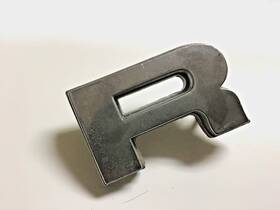
( Manufacturer Part Number: D9TB-1316577 ), ( Type: Emblem ), ( Color: Silver ), ( Attachment Type: Bolt-on ), ( Theme: Logo ), ( Vintage Part: Yes ), ( Universal Fitment: No ), ( Placement On Vehicle: Tailgate ), ( Suitable For: Car ), ( Country Of Origin: United States )
Review FORD 1970s Tailgate Letter Emblem C a fits BRONCO
The **Ford D9TB-1316577 1970s Bronco Tailgate Letter Emblem (C-A)** is a meticulously crafted, high-quality reproduction of the iconic emblem that adorned the tailgate of Ford s legendary 1970s Bronco models, specifically the **C-A series** a designation that originally signified the **Bronco 4x4** with a **short-wheelbase** chassis and **standard cab configuration**. This emblem, a symbol of rugged American adventure and off-road prowess, features a bold, stenciled design with the letters **"C-A"** in a clean, sans-serif font, framed by a minimalist, rectangular border that exudes a vintage aesthetic reminiscent of the era s utilitarian yet distinctive styling. The emblem is crafted from durable **die-cut metal**, ensuring a sturdy, authentic feel that matches the original s construction, while its **black matte finish** provides a sleek, timeless contrast against the Bronco s classic tan, red, or green paint schemes. Perfect for collectors, restorers, or enthusiasts seeking to preserve the authenticity of their 1970s Bronco, this emblem is a precise replica of the original part, designed to seamlessly integrate into the tailgate s original mounting bracket, maintaining both functionality and historical accuracy. Whether mounted on a restored classic or a modern replica, this emblem serves as a proud declaration of the Bronco s enduring legacy as a vehicle built for exploration, resilience, and the open road.
### Pros and Cons of Buying a 1970s Ford Bronco (D9TB-1316577, Tailgate Letter Emblem, C-A)
#### **Pros**
1. **Classic Design and Heritage**
The 1970s Ford Bronco, particularly the tailgate letter emblem (C-A) models, represents a unique era of American off-road and adventure vehicles. Its boxy, utilitarian design is highly sought after by collectors and enthusiasts who appreciate vintage automotive craftsmanship. The Bronco s rugged aesthetic and association with outdoor exploration make it a standout piece for those who value nostalgia and individuality.
2. **Off-Road Capability**
The Bronco was originally built for off-road use, and the 1970s models were no exception. With a solid front axle, rear leaf springs, and a durable frame, these vehicles were designed to handle rough terrain. The D9TB chassis (a later model in the first generation) improved upon earlier iterations with better suspension and drivetrain options. While modern off-road vehicles may have more advanced features, the 1970s Bronco offers a raw, no-frills capability that appeals to purists.
3. **Customization Potential**
The Bronco s simple, modular design allows for extensive customization. Owners can easily modify the exterior with aftermarket parts, such as lifted suspensions, custom paint jobs, or off-road tires. Internally, upgrades like modern electronics, performance engines, or improved seating can be made without major structural changes. This flexibility makes the Bronco a blank canvas for those who enjoy DIY projects.
4. **Community and Culture**
The Bronco has a dedicated and passionate community, particularly among vintage off-road and adventure enthusiasts. Joining clubs like the Bronco Owners Club or local meetups can provide access to a network of like-minded individuals who share tips, parts, and camaraderie. This sense of belonging can enhance the ownership experience, especially for those who enjoy the lifestyle associated with the Bronco.
5. **Lower Operating Costs (Compared to Modern Vehicles)**
While maintenance can be a consideration, the Bronco s simplicity means that many repairs can be done with basic tools or even by hand. Parts are often more affordable than those for modern vehicles, and the lack of complex electronics reduces the risk of costly malfunctions. Additionally, fuel efficiency, while not exceptional by today s standards, is reasonable for a vehicle of its era.
6. **Resale Value for Collectors**
Well-preserved or restored 1970s Broncos, especially rare or unique models like the tailgate letter emblem (C-A) variants, can appreciate in value over time. Collectors and enthusiasts are willing to pay premium prices for authentic, low-mileage examples, making these vehicles a potential investment if maintained properly.
7. **Durability and Reliability (With Proper Care)**
The Bronco s robust construction means that with regular maintenance, it can last for decades. Many first-generation Broncos are still on the road today, proving their durability. For those who prioritize a vehicle that can handle abuse and endure over time, the Bronco delivers.
---
#### **Cons**
1. **High Maintenance Requirements**
The Bronco s age means it is prone to wear and tear, particularly in critical components like the suspension, drivetrain, and electrical system. Rust, worn-out bushings, and outdated parts can lead to frequent repairs. Owners must be prepared for regular maintenance, including lubrication, fluid changes, and part replacements, which can be time-consuming and costly if not addressed promptly.
2. **Outdated Safety Features**
Safety was not a priority in the 1970s, and the Bronco reflects this. Features like basic seatbelts (often just lap belts), minimal crash protection, and outdated braking systems make it far less safe than modern vehicles. The lack of airbags, modern lighting, or advanced driver-assistance technologies poses risks, especially on highways or in urban areas.
3. **Poor Fuel Efficiency**
The Bronco s V8 engines (common in the 1970s models) are thirsty, with fuel economy ranging from 10 to 15 miles per gallon, depending on the configuration. This can lead to high fuel costs, particularly for long-distance driving. While some owners swap in smaller, more efficient engines, this requires significant modification and may not always improve performance.
4. **Limited Comfort and Convenience**
The Bronco s interior is Spartan by today s standards. Seating is often hard and utilitarian, with little in the way of insulation from noise or vibration. Heating and air conditioning systems are basic or nonexistent in many models, making long drives uncomfortable in extreme weather. Modern amenities like power windows, cruise control, or advanced infotainment are absent.
5. **Driving Experience**
The Bronco s rigid suspension and lack of modern suspension tuning can make it uncomfortable on paved roads. Vibrations, body roll, and a stiff ride are common, especially on rough surfaces. While this is part of its charm for some, others may find it uncomfortable for daily use or long trips.
6. **Part Availability and Cost**
While parts for the Bronco are widely available, some components especially rare or discontinued items can be difficult or expensive to source. The cost of restoring or maintaining a 1970s Bronco can add up quickly, particularly if the vehicle has been neglected. Owners may need to source parts from specialty suppliers or even rebuild entire systems (e.g., engines, transmissions).
7. **Legal and Practical Limitations**
Depending on the region, some 1970s Broncos may not meet modern emissions or safety standards, requiring modifications or inspections to be road-legal. Additionally, the Bronco s size and weight can make it impractical for urban driving, parking, or navigating tight spaces. Its lack of modern technology (e.g., GPS, Bluetooth) can also be inconvenient for everyday use.
8. **Resale Value Depends on Condition**
While some Broncos appreciate in value, the majority do not. The resale market is highly dependent on the vehicle s condition, rarity, and provenance. A well-documented, restored Bronco with original parts may hold value, but a neglected or heavily modified example could depreciate quickly.
9. **Time and Effort Commitment**
Owning a vintage Bronco is not just about driving; it s a lifestyle. It requires time for maintenance, cleaning, and sometimes even restoration. For those who lead busy lives or prefer low-maintenance vehicles, the Bronco s demands can be a significant drawback.
10. **Potential for Hidden Issues**
Without a thorough inspection, hidden problems like frame rust, engine wear, or transmission issues can surface unexpectedly. Buyers must be prepared to invest time and money into diagnosing and repairing these problems, which can be stressful and costly.
---
### **Conclusion**
The 1970s Ford Bronco (D9TB-1316577, tailgate letter emblem, C-A) is a remarkable vehicle for the right owner. It offers a unique blend of heritage, off-road capability, and customization potential that few other cars can match. For enthusiasts who appreciate vintage design, enjoy tinkering with their vehicles, and are willing to invest time and effort into maintenance, the Bronco can be an incredibly rewarding purchase. It embodies the spirit of adventure and self-sufficiency that many modern vehicles have lost.
However, the Bronco is not a practical choice for everyone. Its high maintenance requirements, outdated safety features, poor fuel efficiency, and lack of modern comforts make it ill-suited for daily drivers or those seeking convenience. It is also a significant financial commitment, both in upfront costs and ongoing expenses. For these reasons, the Bronco is best suited to owners who are passionate about its legacy, have the skills (or access to skilled mechanics) to keep it running, and can afford the time and money required to maintain it.
---
### **Recommendation**
If you are considering purchasing a 1970s Ford Bronco, follow these steps to ensure you make an informed and satisfying decision:1. **Assess Your Goals and Lifestyle**
Determine whether you want the Bronco primarily for driving, as a project vehicle, or as a collector s item. If you plan to use it regularly, ensure you can accommodate its limitations (e.g., fuel costs, maintenance time). If it will be a weekend or occasional-use vehicle, the Bronco can be a fantastic choice.
2. **Budget for Purchase and Maintenance**
Set a realistic budget that includes not only the purchase price but also immediate repairs, ongoing maintenance, and potential restoration costs. Factor in the cost of parts, labor (if you don t DIY), and storage. A well-preserved Bronco can cost tens of thousands of dollars, while a project vehicle may require an additional $5,000 $15,000 or more to bring to a drivable condition.
3. **Inspect Thoroughly or Hire a Professional**
If you lack mechanical expertise, have the Bronco inspected by a specialist who understands vintage vehicles. Look for signs of rust, engine wear, suspension issues, and electrical problems. A pre-purchase inspection can save you from costly surprises.
4. **Prioritize Condition Over Rarity**
While a rare tailgate letter emblem (C-A) Bronco is desirable, prioritize a vehicle that is in good mechanical condition. A well-documented, restored example with original parts will be more enjoyable and valuable in the long run than a rare but neglected one.
5. **Join the Community**
Connect with Bronco enthusi
Details:
Vintage 1970s Ford Bronco Tailgate Letter R Emblem D9TB-1316577 C-A Part is in good used condition with two mounting pins present. Please see all images for a pictorial and ask any questions.
part #: d9tb1316577 price
- $19.99
specifications emblico:
- for models: Bronco
- for makes: Ford
- mpn: D9tb-1316577
- type: Emblem
- color: Silver
- attachment type: Bolt-on
- theme: Logo
- vintage part: Yes
- universal fitment: No
- placement on vehicle: Tailgate
- suitable for: Car
- country of origin: United States
offer emblico:
- started: March 11, 2026
- best offers: True
- availability: In Stock
- sold: 0
- options: Ship-to-home
- quantity: 1
general emblico:
- condition: Used
- Car Truck Parts Accessories > Exterior Parts Accessories > Emblems Ornaments
shipping emblico:
- transit: 5-10 Days
- cost: $5.49
- carrier: USPS
- type: Fixed
- class: Standard
- service: USPS Ground Advantage
returns emblico:
- time: 30 Days
- policy: Returns Accepted
- paid by: Buyer
payments emblico:
- other
- wallet: Apple-pay
- credit card: Visa
seller emblico:
- rating: 99.4%
- city: Round Top, Texas
- # reviews: 4314
Ford D9TB-1316577 Is Similar To:
- 09zb-16098-a Ford Mustang Origional Emblem (37.6% similar) It is the original emblem. This emblem is from a 1972 ford mustang. I personally took it off the car. No gimmicks...(August 21st, 2018)
- 10625 Rh Lh Ford Two Fairlane Side Fender Emblem Badge Oem (42.7% similar) Items shipped economy, media, or parcel post can take 2-6 weeks for delivery no reserve. You get exactly what is pictured. Item being sold as is...(June 8th, 2019)
- 1238 Ppi Powered By Ford Emblem Set Mustang Shelby Boss Mach (21.8% similar) 2-WAY 3m automotive tape is included making installation a 2 second proposition. Free domestic shipping on these emblems. They look great on fenders, deck lids, dashboards, etc. Buy more than one set...(June 19th, 2018)
- 18983 Fomoco Ford Truck Emblem Original Keeler Brass (28.8% similar) ...(December 5th, 2018)
- 196871471 Pt Hot Abs Plastic Rear Tailgate Emblem Inserts For Ford (36.8% similar) Please remove the protective film after installation. Not the cheap vinyl sticker package includes: 1 set inserts come with adhesive on its back. Never fade weather proof self adhesive material: abs plastic. Exactly as the pictures show...(September 14th, 2018)
- 196970frdltdrearinsrt Ford Ltd Rear Panel Emblem New Nice (29.3% similar) Unfortunately, it is a very delicate procedure getting the paper off without ripping or leaving half of on emblem. This was what some manufacturers used in the late 60S and early 70'S. Fits in the trim between taillights on passenger side. Has original laminated-paper like tape. A brand new, nos ...(June 2nd, 2018)
- 1973-1977 Ford Fender Emblem Genuine Oem Badge Sign Symbol Logo (27.9% similar) 1 used genuine oem emblem fits ford F250SOME wear, no damages...(March 15th, 2018)
- 1c3z-9942528-aa Ford Brand New Oem Super Duty Tailgate Emblem (40% similar) Then promptly. You bought wrong model or color. This will work on tailgate...(January 4th, 2019)
- 1l2z-7842528-aa 2002-2005 Ford Explorer Tailgate (28% similar) We upload pictures in every angle that way you can see exactly what are purchasing. Received a damaged item or not working. Feel free to directly at please review pictures carefully...(September 27th, 2017)
- 1l2z-7842528-ga Oem Ford Pair Explorer Xlt Emblem Name Plates (33.3% similar) New pair XLT black and chrome...(April 14th, 2018)
- 1l2z-7842528-ka Ford Expedition Explorer Taurus Eddie Bauer Emblem Nameplate Oem Badge (30.3% similar) There is a product inspection with third party upon receiving the item. Please ship the item back in its original package. If the item was damaged on return shipping due to poor packaging, is not accepted. Please match our part number with your original one...(January 30th, 2019)