OER EM10828M Crest Emblem Tail Lamp
fits model: Monte, Carlo. make: Chevrolet. year: 1973-88.
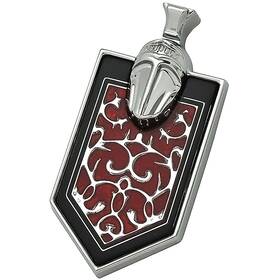
( Brand: Oer ), ( Manufacturer Part Number: EM10828M ), ( Part Type: Emblem Lamp )
Review OER Chevrolet Crest Emblem Tail Lamp fits MONTE CARLO 1973-88
The **Oerlikon EM10828M 1973 1988 Chevrolet Monte Carlo Crest Emblem Tail Lamp** is a meticulously crafted, high-quality reproduction of the iconic aftermarket tail lamp assembly that became synonymous with the bold, performance-oriented styling of the second-generation Chevrolet Monte Carlo. Designed to seamlessly integrate with the original factory tail light housing, this lamp features a sleek, angular lens encased in a durable polycarbonate body, complete with a polished chrome or matte black bezel that enhances its sporty aesthetic. The centerpiece of this assembly is the **Crest Emblem**, a bold, chrome-plated emblem shaped like the Monte Carlo s signature hood scoop, which sits proudly atop the lens, instantly elevating the vehicle s presence. Engineered to meet or exceed OEM standards, the lamp includes **LED or incandescent bulb options** (depending on the model variant), ensuring reliable illumination while maintaining the classic look. The wiring harness is neatly routed and secured with high-quality connectors, making installation straightforward for both novice and experienced DIY enthusiasts. Whether paired with a full restomod build or simply as a subtle upgrade to a classic Monte Carlo, this tail lamp assembly delivers a perfect blend of authenticity and modern functionality, capturing the spirit of the era while ensuring durability for years to come.
### **Pros and Cons of Buying a 1973 1988 Chevrolet Monte Carlo with the OER EM10828M Crest Emblem Tail Lamp**
#### **Pros**
1. **Classic American Muscle Car Aesthetics** The Monte Carlo, especially in its early generations (1973 1988), embodies the bold, aggressive styling of the 1970s and early 1980s. The Crest Emblem tail lamp (OER EM10828M) is a signature detail that enhances its vintage appeal, making it stand out among other muscle cars and sedans of the era.
2. **Strong Brand Recognition** Chevrolet s Monte Carlo was a well-known performance-oriented car, often associated with high-performance engines (V8s, including the legendary L98 and LT1) and competitive racing pedigree. Owning one carries prestige, especially in classic car circles.
3. **Potential for High Performance** Depending on the model year and engine configuration, some Monte Carlos (particularly the 1978 1988 models with the LT1 or L98) were capable of impressive power outputs (200 horsepower in stock form). Restoring or modifying one could yield a fun, high-revving driver s car.
4. **Aftermarket Support** The Monte Carlo, especially the 1978 1988 models, has a dedicated following. Parts (including aftermarket performance upgrades, suspension components, and body kits) are relatively accessible, though some rare pieces may require sourcing.
5. **Potential for Customization** The Crest Emblem tail lamp and other styling cues make the Monte Carlo a great candidate for customization. Owners can easily modify it into a hot rod, a show car, or a street-legal muscle car with modern upgrades.
6. **Lower Purchase Price (Compared to Rarest Models)** While some Monte Carlos (especially the 1978 1988 LT1 models) have appreciated in value, many examples particularly the earlier 1973 1977 models remain affordable. This makes them a more accessible classic car option than a rare Corvette or Camaro.
7. **Driving Experience** The Monte Carlo s solid-body construction, manual transmission availability (in some years), and available V8 engines provide a satisfying driving experience, especially for enthusiasts who enjoy the feel of a heavier, more substantial muscle car.
---
#### **Cons**
1. **Reliability Concerns** Many 1973 1988 Monte Carlos were built with less stringent quality control than modern vehicles. Common issues include:
- **Engine problems** (leaking head gaskets, worn valve trains, rust in the block, or failing water pumps).
- **Transmission wear** (especially in automatic models, where torque converters and fluid leaks are frequent issues).
- **Rust** (common in frame rails, suspension components, and undercarriage, particularly in snowy or coastal climates).
- **Electrical gremlins** (old wiring, faulty switches, and unreliable gauges).
2. **High Maintenance Costs** Restoring or maintaining a Monte Carlo can be expensive, especially if the car has significant rust or mechanical wear. Parts may need to be sourced from salvage yards, eBay, or specialty suppliers, adding to costs.
3. **Fuel Economy Limitations** Even with modern fuel injection upgrades, V8-powered Monte Carlos will never be fuel-efficient. Expect poor MPG (around 12 16 MPG in stock form), which can be costly to operate.
4. **Driving Dynamics** The Monte Carlo s heavier weight (especially in later years) and softer suspension tuning make it less nimble than modern sports cars or even some older muscle cars. Handling can feel sluggish compared to lighter alternatives.
5. **Depreciation Risk** While some Monte Carlos (particularly the LT1 models) have appreciated, many others remain niche collectibles. If you re not restoring it to showroom condition, resale value may not recover your investment.
6. **Emissions and Modern Compliance** Older Monte Carlos may not meet modern emissions standards without modifications (catalytic converters, OBD-II compliance, or smog certification). This can complicate registration or insurance in some states.
7. **Limited Modern Tech** Unlike newer cars, the Monte Carlo lacks modern safety features (airbags, ABS, stability control), advanced infotainment, or driver-assistance systems. This can be a drawback for daily driving.
8. **Market Saturation** While not as common as a Camaro or Challenger, Monte Carlos are still relatively plentiful. Finding a rare or well-preserved example with the Crest Emblem tail lamp may require extensive searching.
---
### **Conclusion**
Buying a 1973 1988 Chevrolet Monte Carlo with the OER EM10828M Crest Emblem tail lamp can be a rewarding experience for an enthusiast who appreciates classic American muscle car styling and is willing to invest time and money in restoration or maintenance. The car offers strong aesthetic appeal, potential for performance upgrades, and a nostalgic driving experience. However, it also comes with significant challenges, including reliability issues, high maintenance costs, and the need for patience in sourcing parts.
If you are **passionate about classic cars, have mechanical skills (or access to a trusted mechanic), and are prepared for the long-term commitment**, a Monte Carlo can be an excellent project or a fun daily driver with the right modifications. On the other hand, if you prioritize **modern reliability, fuel efficiency, or low maintenance**, this car may not be the best fit.
### **Recommendation**
- **Buy if:** You enjoy classic muscle cars, have experience with older vehicles, and are willing to restore or modify it. Consider starting with a **1978 1988 model with an LT1 or L98 engine** if you want better performance potential.
- **Avoid if:** You need a reliable daily driver, want low operating costs, or lack the time/skills to handle mechanical and rust issues.
- **Alternative Considerations:**- If you love the styling but want something more modern, look at a **restomoded Camaro or Challenger** (which may offer better reliability).
- If you prefer a more practical classic, consider a **Ford Mustang or Dodge Challenger** with similar performance potential but slightly better aftermarket support.
- If budget is a concern, a **1973 1977 Monte Carlo with a smaller V8 (like the 350)** could be a more affordable entry point, though with less power.
Ultimately, the Monte Carlo is a **great choice for the right owner** one who values the car s heritage, is prepared for its quirks, and sees it as a long-term passion project rather than a quick investment.
Details:
This is the red crest with chrome helmet and black background trim. Sold individually. 1973-88 Chevrolet Monte Carlo; Crest Emblem; Tail Lamp: Replacement tail lamp shield crest emblem for Carlo model's.
part #: em10828m price
- $139.98
specifications emblico:
- for models: Monte, Carlo
- for makes: Chevrolet
- for years: 1973-88
- brand: Oer
- mpn: Em10828m
- part type: Emblem Lamp
general emblico:
- Car Truck Parts Accessories > Exterior Parts Accessories > Emblems Ornaments
- condition: New
payments emblico:
- credit card: Visa
- wallet: Apple-pay
- other
seller emblico:
- rating: 99.7%
- city: Huntington Beach, California
- # reviews: 54011
returns emblico:
- paid by: Seller
- policy: Returns Accepted
- time: 30 Days
offer emblico:
- options: Ship-to-home
- quantity: 3
- availability: In Stock
- sold: 0
- started: April 6, 2026
shipping emblico:
- class: Standard, Expedited
- service: USPS Ground Advantage, UPS Ground, UPS 2nd Day Air, FedEx Ground / FedEx Home Delivery
- cost: $7.88
- type: Calculated
- carrier: USPS, UPS, FedEx
- transit: 3-8 Days
Oer EM10828M Is Similar To:
- 14008432 Oer Camaro Shield Horn Cap Emblem (35.5% similar) Each Oer part is manufactured to original specifications, down the smallest detail. Manufactured to factory specifications and features a black Camry shield badge over orange background. Reproduction steering wheel horn cap emblem. Reproduction steering wheel horn cap emblem. Each product is ...(May 1st, 2019)
- 14012632 Oer For Chevy Camaro Hub Cap Insert Emblem (43.1% similar) Manufactured from injection molded plastic, this hub cap insert features the correct colored rings and Camry as original. Oer consistent quality control methods ensure an exact duplicate every time. Reproduction of the hub cap insert designed. Each Oer part is manufactured to original specifications...(August 21st, 2018)
- 14023358 Oer For Chevy Camaro Hub Cap Insert Emblem (43.1% similar) Each product is designed and manufactured to duplicate the original part as closely possible. Camry hub cap insert emblem by Oer. Reproduction of the hub cap insert designed. Quality adhesive backing for easy installation DOA. Manufactured from injection molded plastic, this hub cap insert features ...(August 21st, 2018)
- 14024332 Oer Silver Grille Emblem (30.6% similar) Each Oer part is manufactured to original specifications, down the smallest detail. This emblem features a silver Teri-color fade. Precision injection molded in abs plastic with a clear lens insert and features correct , dimensions Teri-color fade from dark to light. Most Oer products are officially...(April 5th, 2019)
- 14024334 Oer Blue Grille Emblem (35.4% similar) Each Oer part is manufactured to original specifications, down the smallest detail. Reproduction grill emblem. This emblem features a blue Teri-color fade. Precision injection molded in abs plastic with a clear lens insert and features correct , dimensions Teri-color fade from dark to light. Most ...(April 24th, 2019)
- 14024336 Oer Gold Grille Emblem (35.4% similar) Precision injection molded in abs plastic with a clear lens insert and features correct , dimensions Teri-color fade from dark to light. Reproduction grill emblem. Our consistent quality control methods ensure an exact duplicate every time. Each product is designed and manufactured to duplicate the ...(May 16th, 2019)
- 14024338 Oer Orange Grille Emblem (36.7% similar) Each Oer part is manufactured to original specifications, down the smallest detail. Most Oer products are officially licensed as authentic restoration. This emblem features an orange Teri-color fade. Z28 orange grille emblem by Oer. Each product is designed and manufactured to duplicate the original...(April 24th, 2019)
- 14083662 Oer Emblem Rear Silver With Bowtie Chevy Ea (27.4% similar) Fitment information may not be available for all products and those without will have a compatibility link. Emblem attachment stock finish silver logo z 28 with Bowie quantity sold individually. Buyer pays return shipping...(August 17th, 2018)
- 14083663 Oer Bowtie Gray Rear Panel Emblem (35.5% similar) Each product is designed and manufactured to duplicate the original part as closely possible. Our consistent quality control methods ensure an exact duplicate every time. Reproduction of the original rear panel emblem. Each Oer part is manufactured to original specifications, down the smallest ...(May 17th, 2019)
- 20014406 Oer Chevy Concours Trunk Lid Emblem (36.7% similar) Chevrolet concourse trunk lid emblem by Oer. Each product is designed and manufactured to duplicate the original part as closely possible. This emblem comes complete with two 3/1 6 speed nuts for mounting. Our consistent quality control methods ensure an exact duplicate every time. Most Oer products...(April 6th, 2019)
- 2786590 Oer Fish Passenger Side Fender Emblem (30.9% similar) Our consistent quality control methods ensure an exact duplicate every time. Most Oer products are officially licensed as authentic restoration. Each product is designed and manufactured to duplicate the original part as closely possible. V8 with fish, passenger side fender emblem by Oer. ...(April 25th, 2019)