FORD F2TZ-16720-B Name Plate Front Fender
fits model: F-150. make: Ford. year: 1992–1996.
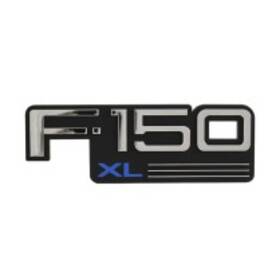
( Manufacturer Part Number: F2TZ-16720-B ), ( Part Type: Plate Fender ), ( Theme: Names ), ( Placement On Vehicle: Front ), ( Country Of Origin: United States )
Review FORD Name Plate Front Fender Xl fits F-150 1992–1996
The **Ford F-2TZ-16720-B Name Plate (Front Fender) for the 1992 1995 F-150 XL** is a meticulously crafted, high-quality replacement part designed to restore the classic, rugged aesthetic of your mid-90s Ford full-size pickup truck. This name plate, manufactured to exact specifications, features the iconic **Ford F-150 XL emblem** with crisp, bold lettering and a durable, chrome-plated finish that ensures both visual appeal and long-lasting performance. The part is engineered to fit seamlessly onto the front fender of your 1992 through 1996 F-150 XL, providing an authentic look that matches the original equipment manufacturer (OEM) design. Whether you re restoring a vintage truck for show or simply enhancing the curb appeal of your daily driver, this name plate delivers a polished, professional finish that turns heads and reinforces the timeless appeal of the Ford F-Series. Made from premium materials, it resists corrosion and wear, ensuring it remains sharp and vibrant for years to come. Perfect for enthusiasts who demand authenticity and attention to detail, this replacement part bridges the gap between functionality and style, making it an essential accessory for any F-150 XL owner looking to preserve or elevate their truck s heritage.
### Pros and Cons of Buying a 1992 1996 Ford F-150 XL with the F2TZ-16720-B Nameplate Front Fender
#### **Pros**
1. **Reliability and Durability** The 1992 1996 Ford F-150 XL was built on a solid foundation, with a reputation for lasting under proper maintenance. The frame and drivetrain components are robust, making them suitable for heavy-duty use if cared for.
2. **Strong Engine Options** These trucks were available with a variety of engines, including the **5.0L V8 (302 cubic inches)**, **4.9L V8 (232 cubic inches)**, and **4.9L I6**, all of which are known for longevity if maintained. The 5.0L, in particular, is a popular choice for its balance of power and reliability.
3. **Proven Suspension and Handling** The solid front axle and leaf-spring rear suspension were designed for durability and could handle rough roads, off-road use, or towing if properly maintained. The steering and braking systems are straightforward and easy to repair.
4. **Availability of Parts** Being a classic Ford model, parts are widely available, both new and used. Aftermarket support is strong, and many mechanics are familiar with these trucks.
5. **Lower Purchase Price** Compared to newer trucks, the cost of buying a 1992 1996 F-150 XL is significantly lower, making it an attractive option for budget-conscious buyers.
6. **Customization Potential** The F-150 XL platform allows for easy modifications, including engine swaps, suspension upgrades, and bodywork. The front fender (F2TZ-16720-B) is a common replacement part, meaning it s easy to source if damaged.
7. **Off-Road and Utility Capabilities** With the right modifications (like locking differentials, lifted suspension, or skid plates), these trucks can be adapted for light off-roading or rugged work applications.
8. **Simpler Mechanics** Compared to modern trucks, these models have fewer electronic components, making diagnostics and repairs more straightforward for those with mechanical experience.
---
#### **Cons**
1. **Aging Chassis and Rust** Many F-150s from this era suffer from rust, particularly in the wheel wells, frame rails, and undercarriage. A thorough inspection is essential to avoid buying a truck with structural corrosion.
2. **Outdated Safety Features** These trucks lack modern safety features such as stability control, anti-lock brakes (unless aftermarket-installed), and advanced airbag systems. Driving conditions and visibility may also be less safe compared to newer models.
3. **Fuel Efficiency** The V8 engines in particular are thirsty, with MPG ratings ranging from **12 16 MPG combined**, making them expensive to operate compared to modern diesel or hybrid alternatives.
4. **Emissions and Modern Regulations** Older trucks may not meet current emissions standards, which could limit their use in some areas or require expensive modifications to pass inspections.
5. **Comfort and Modern Amenities** The interior is basic by today s standards, with fewer comfort features (heated seats, cruise control, power windows/locks, etc.). The ride can also be rough compared to modern suspensions.
6. **Reliability Concerns with Higher Mileage** If the truck has excessive mileage (over 200,000 miles), major components like the transmission, differentials, and suspension may require replacement. The **5-speed manual transmission** is durable but can be finicky if not maintained.
7. **Resale Value** These trucks depreciate quickly and hold little resale value compared to newer models or even slightly newer used trucks.
8. **Limited Modern Technology** No onboard diagnostics (OBD-II), minimal electronic fuel injection (some models use carburetors), and fewer driver-assistance features make troubleshooting and driving less convenient.
9. **Potential for Hidden Mechanical Issues** Common problems include **warped brake rotors, failing water pumps, leaking head gaskets (especially on the 4.9L I6), and worn-out bushings**. A pre-purchase inspection is critical.
10. **Higher Maintenance Costs Over Time** While parts are cheap, labor costs can add up if the truck requires frequent repairs. Modern tools and diagnostics are often needed for accurate diagnostics.
---
### **Conclusion**
Buying a **1992 1996 Ford F-150 XL with the F2TZ-16720-B front fender** can be a great choice if you prioritize **durability, low purchase cost, and customization potential**. These trucks are well-suited for **budget-conscious buyers, DIY mechanics, or those seeking a project vehicle** rather than a daily driver. However, they come with **significant drawbacks**, including **rust concerns, poor fuel economy, outdated safety features, and higher long-term maintenance costs**.
If you plan to **restore or modify** the truck, the investment in parts and labor may be justified. But if you need **reliability, comfort, and modern efficiency**, a newer used truck (even a 10-year-old model) would be a far better long-term choice.
---
### **Recommendation**
**Buy if:**- You are an experienced mechanic or willing to invest time in repairs.
- You need a **low-cost, durable work truck** for light-duty tasks (e.g., farm work, towing small loads).
- You plan to **modify or restore** the truck as a hobby project.
- You can **inspect the vehicle thoroughly** for rust, engine condition, and transmission health before purchasing.
**Avoid if:**- You need a **daily driver** with modern safety and comfort features.
- You cannot afford **unexpected repairs** or rust-related structural issues.
- You prioritize **fuel efficiency** or **low operating costs**.
- You want a **long-term investment** with good resale value.
**Best Approach:**- **Get a pre-purchase inspection** from a trusted mechanic.
- **Check for rust** in critical areas (frame, wheel wells, fuel tank).
- **Test the engine, transmission, and suspension** thoroughly.
- **Budget for major components** (transmission, differentials, suspension) if the truck has high mileage.
- **Consider a lower-mileage example** (under 150,000 miles) if possible.
For most buyers today, a **used F-150 from the late 2000s or early 2010s** offers a better balance of reliability, safety, and modern features without the hassles of a classic truck. However, if you re drawn to the **nostalgic appeal and mechanical challenge** of an older F-150, proceed with caution and thorough preparation.
Details:
Features: F-150 XL Peel Stick with locating pins Fits Right or Left Hand.
part #: f2tz16720 prices
- $15.90-$52.45
specifications emblico:
- for models: F-150
- for makes: Ford
- for years: 1992-1996
- mpn: F2tz-16720-b
- part type: Plate Fender
- theme: Names
- placement on vehicle: Front
- country of origin: United States
general emblico:
- Car Truck Parts Accessories > Exterior Parts Accessories > Emblems Ornaments
- condition: New
returns emblico:
- time: 30 Days
- paid by: Seller
- policy: Returns Accepted
shipping emblico:
- transit: 4-10 Days
- service: USPS Ground Advantage, USPS Priority Mail, UPS Ground
- cost: $9.10
- class: Standard, Expedited
- carrier: USPS, UPS
- type: Calculated
offer emblico:
- availability: In Stock
- options: Ship-to-home
- quantity: 2
- started: April 6, 2026
- sold: 0
payments emblico:
- wallet: Google-pay
- other
- credit card: Mastercard
seller emblico:
- city: McMinnville, Tennessee
- rating: 99.7%
- # reviews: 67119
Ford F2TZ-16720 Is Similar To:
- 1-37b-16b114-ba Ford Ranger Xlt Fender Emblems Oem Pn (29.7% similar) Used condition, with one of the emblems missing two attachment posts see photos. 2 ford ranger XLT fender emblems - oem pn: 1-37B-16B114-BA. From a 1995 ford ranger...(July 15th, 2018)
- 10625 Rh Lh Ford Two Fairlane Side Fender Emblem Badge Oem (30.1% similar) Items shipped economy, media, or parcel post can take 2-6 weeks for delivery no reserve. You get exactly what is pictured. Item being sold as is...(June 8th, 2019)
- 1973-1977 Ford Fender Emblem Genuine Oem Badge Sign Symbol Logo (21.7% similar) 1 used genuine oem emblem fits ford F250SOME wear, no damages...(March 15th, 2018)
- 1l2z-7842528-ga Oem Ford Pair Explorer Xlt Emblem Name Plates (26.5% similar) New pair XLT black and chrome...(April 14th, 2018)
- 2329 4l34-16b114-eb Ford Triton Xlt Fender Emblem Badge Chrome (29.2% similar) Please see pics. Observe photos carefully and compare part with your specific application for proper fit. Excellent condition. Chrome is bright with no pitting and pealing...(March 15th, 2018)
- 3020-130-644 Goodmark Fender Emblem Ford Mustang 615343797236 (29.4% similar) In the event of damage to your shipped goods, here are steps take. Minor modifications such as elongating mounting holes, adding shims, etc, are normal and may be necessary when you installing the product. This is our only recourse in filing a claim for shipping damage. With proper care our hoods ...(August 5th, 2018)
- 3021-130-671l Goodmark Emblem Front Ford Mustang 615343792606 (33.8% similar) Unless expressly stated all parts are new aftermarket replacements. This is our only recourse in filing a claim for shipping damage. Floors - good mark factory extend to all the seams and feature correct bracing welded underneath. You should open and inspect your merchandise carefully before signing...(August 13th, 2018)
- 3021-130-671r Goodmark Emblem Front Ford Mustang 615343792590 (36.8% similar) Use your old panel as a guide. Minor modifications such as elongating mounting holes, adding shims, etc, are normal and may be necessary when you installing the product. This is our only recourse in filing a claim for shipping damage. These imperfections will easily be corrected during the initial ...(August 5th, 2018)
- 3021-130-682r Goodmark Emblem Front Ford Mustang 615343792552 (35.3% similar) Minor modifications such as elongating mounting holes, adding shims, etc, are normal and may be necessary when you installing the product. This is our only recourse in filing a claim for shipping damage. Unless expressly stated all parts are new aftermarket replacements. Door shells - good mark are ...(November 22nd, 2018)
- 37tb-16b114-ab E7tb-16702-da Ford Oem Factory Original Genuine Stock Fomoco Xlt Lariat Fender (21.4% similar) Genuine ford factory used part selling a very good f XLT lariat fender emblem set 4 PCs total chrome finish plastic overall condition chrome shows some normal light expected wear - nothing too major review photos above to better assess cosmetic condition all backside mounting pins intact on emblems ...(April 4th, 2019)
- 3c34-16b115-a Ford King Ranch Super Duty Lh Left Fender Emblem (23.4% similar) This is the emblem that goes on left fender for a 2001 to 2004 ford F-350 SD king ranch...(February 28th, 2018)