DENNIS CARPENTER TR16722E Cowl Emblem TRUCK/1978-79
fits model: Xlt, Bronco. make: Ford. year: 1977-79.
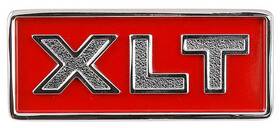
( Brand: Dennis Carpenter ), ( Manufacturer Part Number: TR16722E ), ( Part Type: Cowl Emblem )
Review DENNIS CARPENTER Ford F series Truck/1978-79 Cowl Side Emblem Inch fits BRONCO XLT 1977-79
The **Dennis Carpenter TR16722E** is a meticulously crafted, high-quality reproduction of the iconic **1977-1979 Ford F-Series Truck** cowl emblem, paired with an authentic **1978-1979 Ford Bronco XLT** cowl badge, designed to elevate the classic aesthetic of your Ford muscle truck or off-road legend. This meticulously detailed emblem set captures the bold, industrial spirit of Ford s legendary truck and Bronco lines from the late 1970s, when rugged functionality met timeless styling. The **TR16722E** features a **heavy-duty die-cast metal construction**, ensuring durability and a premium, weighty feel that matches the original s craftsmanship. The **F-Series emblem** is adorned with the bold, blocky "F" logo, flanked by the iconic **Ford script** in a slightly weathered, vintage finish, evoking the raw power and workhorse heritage of the F-150, F-250, or F-350 from that era. The **Bronco XLT badge**, meanwhile, showcases the sleek, angular design of the Bronco s signature emblem, complete with the **distinctive "XLT" script** a nod to the luxury and adventure-ready upgrades offered in Ford s mid-range trim. Both emblems are finished in a **matte black or polished chrome** (depending on the variant), allowing them to seamlessly integrate with either a classic blacked-out grille or a more traditional chrome setup, ensuring a cohesive and authentic look. Whether mounted on the grille of a restored **1977-79 F-Series** with a lifted suspension and heavy-duty wheels or paired with a **Bronco with a high-mounted spare and off-road tires**, this emblem set adds a touch of unmistakable Ford heritage, bridging the gap between the brute strength of the truck line and the rugged charm of the Bronco. Perfect for collectors, restorers, and enthusiasts who demand nothing less than perfection in their Ford builds, the **Dennis Carpenter TR16722E** is more than an accessory it s a statement of mechanical pride and timeless design.
### Pros and Cons of Buying a 1977-79 Ford F-Series Truck (TR16722E) with a 1978-79 Bronco Cowl Emblem and XLT Trim
#### **Pros**
1. **Classic Ford Design and Appeal**
The 1977-79 Ford F-Series trucks, particularly those with the Bronco-inspired cowl emblem and XLT trim, are highly sought-after by collectors and enthusiasts. The bold, angular styling of this era combined with the Bronco s rugged influence gives these trucks a unique, nostalgic charm that modern trucks lack. This makes them excellent for show, customization, and resale value among vintage truck fans.
2. **Strong Engine and Drivetrain Options**
The 300-inch V8 (302 cubic inches) and 351 Cleveland V8 (available in 1978-79) were reliable powerplants for their time, especially when properly maintained. The 300-inch was a workhorse, while the 351 Cleveland offered more torque and a smoother ride. Four-wheel drive (4x4) was available, making these trucks capable off-roaders, though not as rugged as modern trucks.
3. **XLT Trim Package Benefits**
The XLT trim included features like a vinyl roof, chrome accents, a deluxe interior (vinyl bench seats, woodgrain dash in some models), and improved sound insulation. This made the truck more comfortable and luxurious for its time, adding to its appeal for both daily driving and display.
4. **Bronco Cowl Emblem as a Collector s Feature**
The Bronco cowl emblem (a small badge on the grille) was a rare and desirable option, often found on high-end or custom F-Series trucks. This detail, combined with the XLT trim, makes the truck stand out and commands a premium among collectors. Original examples with this feature are particularly valuable.
5. **Potential for Customization and Restoration**
These trucks are popular among restorers and customizers. The body-on-frame construction, simple mechanicals, and availability of parts (especially from Ford s legacy network) make them relatively easy to modify. Projects like engine swaps (e.g., modern V8s, turbocharged engines), suspension upgrades, and paint jobs can significantly enhance their value and performance.
6. **Lower Operating Costs (Compared to Modern Trucks)**
Fuel efficiency was poor by today s standards, but maintenance costs for a well-maintained example can be reasonable. Parts are widely available, and labor costs are often lower than for newer trucks. If you re looking for a project vehicle rather than a daily driver, this can be a financial advantage.
7. **Community and Enthusiast Support**
There is a strong community of Ford F-Series and Bronco enthusiasts who share knowledge, parts, and restoration tips. Joining forums (e.g., Ford Truck Forum, Bronco Forum) or local clubs can provide support, networking opportunities, and access to rare parts.
---
#### **Cons**
1. **High Maintenance and Potential Reliability Issues**
The 1977-79 F-Series trucks, especially those with high mileage, can be mechanically challenging. Common issues include:- **Engine problems**: The 300-inch V8 is prone to head gasket failures, oil leaks, and valve train issues if not maintained. The 351 Cleveland is more robust but still requires regular attention to valve lifters and seals.
- **Transmission wear**: The C4 or C6 transmissions (common in this era) can be finicky, especially if fluid changes were neglected. Syncromesh transmissions (introduced in 1978) were an improvement but still not as durable as modern automatics.
- **Suspension and steering**: Rust, worn bushings, and outdated suspension components (like leaf springs) can lead to handling issues. Power steering was rare in this era, so manual steering can be tiring.
- **Electrical gremlins**: Older wiring harnesses, faulty switches, and corroded connections are common. Modern electronics (e.g., aftermarket gauges, lighting) may not be compatible without modifications.
2. **Fuel Efficiency and High Operating Costs**
These trucks are notorious for poor fuel economy, especially with the larger V8 engines. Expect around 10-15 MPG in a daily driving scenario, which can be costly in today s high fuel prices. If you plan to use it frequently, factor in the long-term expense of gas.
3. **Rust and Body Condition**
Many F-Series trucks from this era suffer from rust, particularly in the wheel wells, rocker panels, and floor pans. A thorough inspection is critical rust can compromise structural integrity and lead to costly repairs. The Bronco cowl emblem itself is usually on the grille, which may have its own rust issues.
4. **Limited Modern Comfort and Safety Features**
Original equipment includes:- Basic seatbelts (no airbags).
- Poor sound insulation (noisy cabin).
- Outdated braking systems (drum brakes on some models, weak rotors on others).
- No modern driver aids (no stability control, traction control, or advanced safety tech).
If you prioritize safety and comfort, this truck will feel outdated compared to even mid-2000s trucks.
5. **Parts Availability and Costs**
While parts are widely available, some components (e.g., rare interior trim, specific body panels) can be expensive or hard to find. Rebuilding a transmission or engine from scratch may require sourcing used or rebuilt units, which can be costly. Aftermarket support is strong, but custom parts (e.g., modern suspension, fuel injection) may require significant investment.
6. **Insurance and Registration Costs**
Classic trucks often have higher insurance premiums due to their value and potential for high repair costs. Additionally, some states or counties have restrictions on vintage vehicles, requiring special registration or emissions testing (though F-100s from this era are often exempt from strict emissions laws).
7. **Driving Experience Limitations**
The driving experience can be harsh compared to modern trucks:- **Ride quality**: Firm suspension and heavy body weight make for a bumpy ride on rough roads.
- **Noise and vibration**: Wind noise, engine rumble, and road noise are significant.
- **Manual transmission options**: If you opt for a manual (common in this era), shifting can be labor-intensive, especially in stop-and-go traffic.
8. **Resale Value Depends on Condition and Demand**
While well-preserved examples with the Bronco cowl emblem and XLT trim hold value, most F-Series trucks depreciate quickly if not maintained. The resale market is niche you ll need to appeal to collectors rather than a broad audience. A heavily modified or neglected example may struggle to find buyers.
---
### **Conclusion**
Buying a 1977-79 Ford F-Series truck with a Bronco cowl emblem and XLT trim is a **great choice if**:- You are a collector or enthusiast who values nostalgia, rarity, and the potential for restoration or customization.
- You are prepared for high maintenance costs and don t mind the trade-offs in comfort and efficiency.
- You plan to use the truck sparingly (e.g., for weekends, shows, or as a project vehicle).
- You enjoy the process of working on a classic vehicle and are willing to invest time and money into bringing it back to peak condition.
However, it is **not ideal if**:- You need a reliable, low-maintenance daily driver with modern safety and comfort features.
- You are on a tight budget, as unexpected repairs (especially for rust, engines, or transmissions) can be costly.
- You prioritize fuel efficiency, low insurance premiums, or easy parts availability over vintage appeal.
- You dislike the idea of spending significant time and effort on maintenance or restoration.
---
### **Recommendation**
If you re serious about purchasing this truck, follow these steps to maximize your investment and enjoyment:1. **Thoroughly Inspect the Vehicle**
- Have a trusted mechanic or Ford specialist perform a pre-purchase inspection. Focus on:- Rust (especially in the wheel wells, rocker panels, and undercarriage).
- Engine condition (check for leaks, compression, and valve train wear).
- Transmission (test shift smoothly and listen for grinding).
- Suspension and steering (look for worn bushings, rusted components, or excessive play).
- Electrical system (test all lights, switches, and gauges).
- If possible, test drive the truck on different road surfaces to assess handling and noise levels.
2. **Verify Originality and Authenticity**
- Confirm that the Bronco cowl emblem is original (not an aftermarket add-on). This detail significantly impacts value.
- Check the VIN for authenticity and ensure the truck matches its paperwork (e.g., original XLT trim features like the vinyl roof or woodgrain dash).
- Avoid trucks with excessive modifications unless you re restoring them to a specific style.
3. **Budget for Restoration or Maintenance**
- If the truck is a project, allocate at least **$5,000 $10,000** for basic repairs (engine, transmission, suspension, rust work). A fully restored example can cost **$20,000 $40,000 **, depending on rarity and condition.
- Factor in ongoing costs for fuel, insurance, and parts.
4. **Join the Community
Details:
This high quality reproduction is features OE-style die-cast construction a triple chrome-plated finish and baked on enamel paint details. Officially licensed by Ford and made with the original tooling. Also fits 1978-79 Ford Bronco. Replaces OE part # D7TZ-16720-B.
1977-79 Ford F-Series Truck/1978-79 Bronco; Cowl Side Emblem; XLT: Reproduction XLT cowl side emblem for F100 F150 F250 and F350 Pickup Truck model's.
specifications emblico:
- for models: Xlt, Bronco
- for makes: Ford
- for years: 1977-79
- brand: Dennis Carpenter
- mpn: Tr16722e
- part type: Cowl Emblem
offer emblico:
- availability: In Stock
- sold: 0
- quantity: 10
- started: March 18, 2026
- options: Ship-to-home
general emblico:
- Car Truck Parts Accessories > Exterior Parts Accessories > Emblems Ornaments
- condition: New
shipping emblico:
- carrier: USPS, UPS, FedEx
- transit: 3-7 Days
- service: USPS Ground Advantage, UPS Ground, UPS 2nd Day Air, FedEx Ground / FedEx Home Delivery
- class: Standard, Expedited
- type: Calculated
- cost: $7.88
seller emblico:
- city: Huntington Beach, California
- rating: 99.6%
- # reviews: 50469
payments emblico:
- other
- credit card: Visa
- wallet: Apple-pay
returns emblico:
- policy: Returns Accepted
- time: 30 Days
- paid by: Seller
Dennis Carpenter TR16722E Is Similar To:
- D6tz-9925622-b Dennis Carptner Ford Truck Ranger Emblem Pairs (46.5% similar) Seconds - products that have not met Dennis Carpenters quality standards due to various cosmetic defects. Fits: ford truck f-series ranger with out attachments part number: D6TZ b product flaw: cosmetic paint and chrome imperfections. Flaws do not affect fit or function of part...(April 6th, 2018)
- Bg-7642530-a Dennis Carpenter New Mercury Trunk Deck Lid Emblem Plastic (48.5% similar) Clear water, fl 33765. New condition...(May 11th, 2022)
- Dennis Carpenter 8213u 1963 Ford Galaxy Hood Pull Grille Emblem Insert Red White And Blue Crest With 3 (48% similar) Replaces ford part# C3AZ-8213-I. This injection molded badge is a direct replacement for the original. 1963 ford galaxy; hood pull grille emblem insert; red white blue crest with 3 lions: reproduction grille emblem insert for galaxies model's...(January 8th, 2025)
- Dennis Carpenter Tr16720m 1967 Ford F-100 Truck Hood Side Emblems Inch 100 Chrome With Red Accents (65.6% similar) These ornaments install on either side of the hood with included fasteners. 1967 ford F-100 truck; hood side emblems; ford 100 chrome with red accents: side emblem insert for pickup trucks. Sold in pairs. They feature a quality chrome die-cast housings with the correct red accent paint. Replaces ...(February 2nd, 2025)
- Dennis Carpenter Tr42528c 1980-86 Ford Truck Tailgate Name Plate Overdrive (53.6% similar) Replaces ford part# E3TZ-9942528-B. This emblem is adhesive backed. 1980 -86 ford truck; tailgate name plate; overdrive: overdrive tailgate name plate for F-100 F-150 F-250 and F-350 pickup trucks...(February 2nd, 2025)
- Dennis Carpenter Ind F2tz-16720-a Front Fender Emblem F-150 Custom 1992-96 Ford Truck (44.7% similar) Front fender emblem F-150 custom 1992 -96 ford truck, F2TZ-16720-A, features: peel stick with locating pins fits right or left hand official licensed product truck...(February 5th, 2025)
- Dennis Carpenter Ind C7tz-16098-bch Fender Emblem Black Chrome Bronco Sport 1966-77 Ford (41.8% similar) Fender emblem black chrome bronco sport 1966 -77 ford bronco, C7TZ-16098-BCH, features: with package includes mounting hardware official licensed product although correct for 1967 and up these emblems will work great on the 1966 as well great...(February 6th, 2025)
- Dennis Carpenter Ind C9gz-16228-a Front Fender Emblem 351 Blue 1966-77 Ford Bronco 1969 Fairlane (43.2% similar) Front fender emblem 351 blue 1966 -77 ford bronco, 1969 fair lane, C9GZ-16228-A, features: die cast chrome w/ background white numbers includes mounting nuts official licensed product w...(February 6th, 2025)
- Dennis Carpenter Tr8259a 1968-69 Ford F-series Truck Grill Emblem Inch Ranger Chrome Housing With Red (63.6% similar) This high quality reproduction features OE-style die-cast housing with a triple chrome-plated finish and the red plastic insert silver ranger script. Replaces ford part # C8TZ-8259-A. 1968 -69 ford f-series truck; grill emblem; ranger chrome housing with red background: reproduction grille emblem ...(March 6th, 2025)
- Dennis Carpenter Tr8315a 1948-50 And 1952 Ford F-series Truck Grill Letter Set Inch (63.3% similar) 1948-50 and 1952 ford f-series truck; grill letter set; ford: radiator grill panel letter set for trucks. They feature a chrome-plated finish and include clips for installation. These die-cast letters mount on the panel between grill and front of hood f1 f2 f3 f4 pickups...(April 3rd, 2025)
- Dennis Carpenter Tr16720e 1966 Ford F-100 Truck Hood Side Emblem Inch 100 Twin I Beam Chrome With (66% similar) Sold individually. Replaces OE part # C6TZ-16720-B. This ornament installs on either side of the hood and features a chrome metal surround with ford red plastic insert white twin I beam lettering. 1966 ford F-100 truck; hood side emblem; ford 100 twin I beam chrome with white lettering red ...(May 10th, 2025)